
Riding the Blue Wave: Unlocking finance for the Sustainable Blue Economy
Read More

As Climate Week makes waves worldwide with the assertive tagline ‘We can. We will’, and Ocean Panel launch the latest report on The Ocean as a Solution to Climate Change, we look at the critical role the ocean plays in sustainable development. The ocean significantly contributes to regulating Earth’s climate, but at the same time, climate change has the potential to reshape the ocean dynamics, ecology, and the provision of the ecosystem services and benefits we rely on.
As Parties to the Paris Agreement commit to reducing global greenhouse gas (GHG) emissions and mitigating the effects of climate change, how can the world monitor change and measure progress?
The ocean is a cornerstone of Earth’s life support system, essential for maintaining biodiversity, social prosperity, and human well-being. Examples of this include the ocean’s role in:
Despite its well-documented and multifaceted importance, the ocean is under siege from many threats, including the immediate concerns of overexploitation, pollution, land cover change, invasive species, and the overarching issues of climate change. These pressures endanger the ocean’s functioning and have cascading effects on global climate patterns, biodiversity, economic stability, and human health and well-being.
Once considered an inexhaustible resource, the ocean is declining in health, which poses a direct risk to all forms of life on Earth.
For decades, governments and stakeholders have been convening to discuss the threat of deterioration of the Earth’s ocean (e.g. Our Ocean Conference, UN Ocean Decade, UN Ocean Conference, and multiple regional meetings) and making commitments towards sustainable ocean development through global targets such as the SDGs (with the 2023 SDG Summit having just concluded in NYC this week), multilateral environmental agreements such as the Paris Agreement and local and regional action plans. Progress towards targets and commitments is usually tracked by reporting on indicators, which requires data that is gathered and reported consistently.
The potential for ocean-based solutions is being increasingly recognised within global frameworks and initiatives. In fact, the Ocean Panel’s latest report found that ramping-up ocean actions, such as scaling ocean-based renewable energy, conserving and restoring coastal and marine ecosystems and using low carbon food from the ocean could close the “emissions gap” by up to 35% on a 1.5°C pathway in 2050.
The activities contributing to climate change and the cascading environmental, social and economic consequences can be measured, monitored and reported through ocean accounting. The approach is guided and structured by the Ocean Accounts Framework, designed to enhance the consistency, coherence and comparability of ocean-related maps, data, statistics, and indicators (see here for more information). In doing this, nations can streamline the integration of ocean accounts into sustainable ocean planning and management and go Beyond GDP to account for nature and people in decision-making.
This accounting system can be adapted for different contexts and governance priorities, tracking everything from the health of mangrove forests to the sale of fish and coastal employment. Importantly, such records use monetary and physical metrics.
The concept of ocean accounting involves four main pillars that collectively offer a thorough understanding of the ocean and its relationship to people and the economy and can highlight the impacts of climate change on such relationships.
Across these four pillars, ocean accounts capture ground-level data on physio-chemical features (e.g. pH, temperature, alkalinity, sea level), up to high-level data on the economic value of ecosystem services and their flows between the environment and the economy. These features provide a holistic understanding of the ocean’s response to climate change and the consequences of that response for humans and the environment.
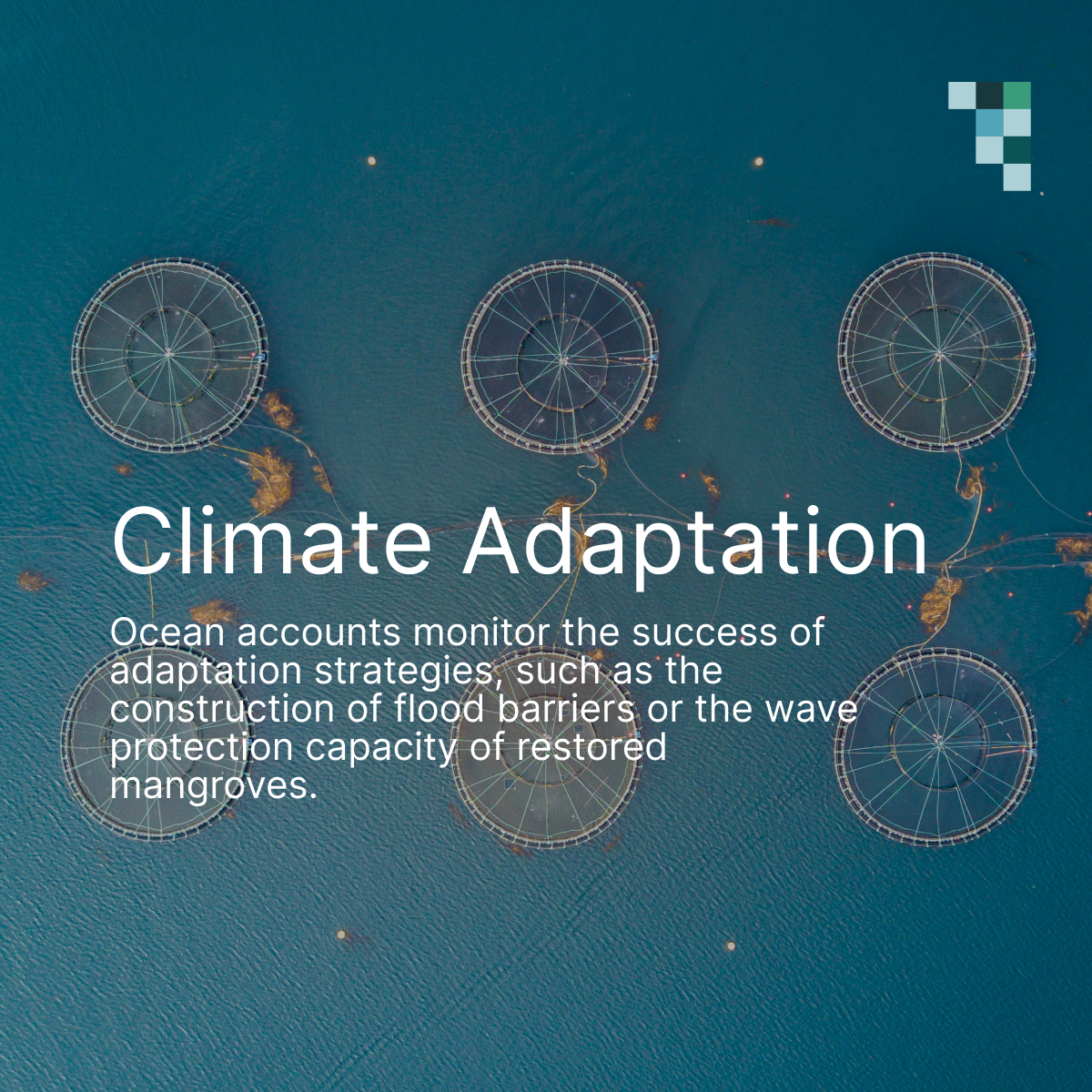
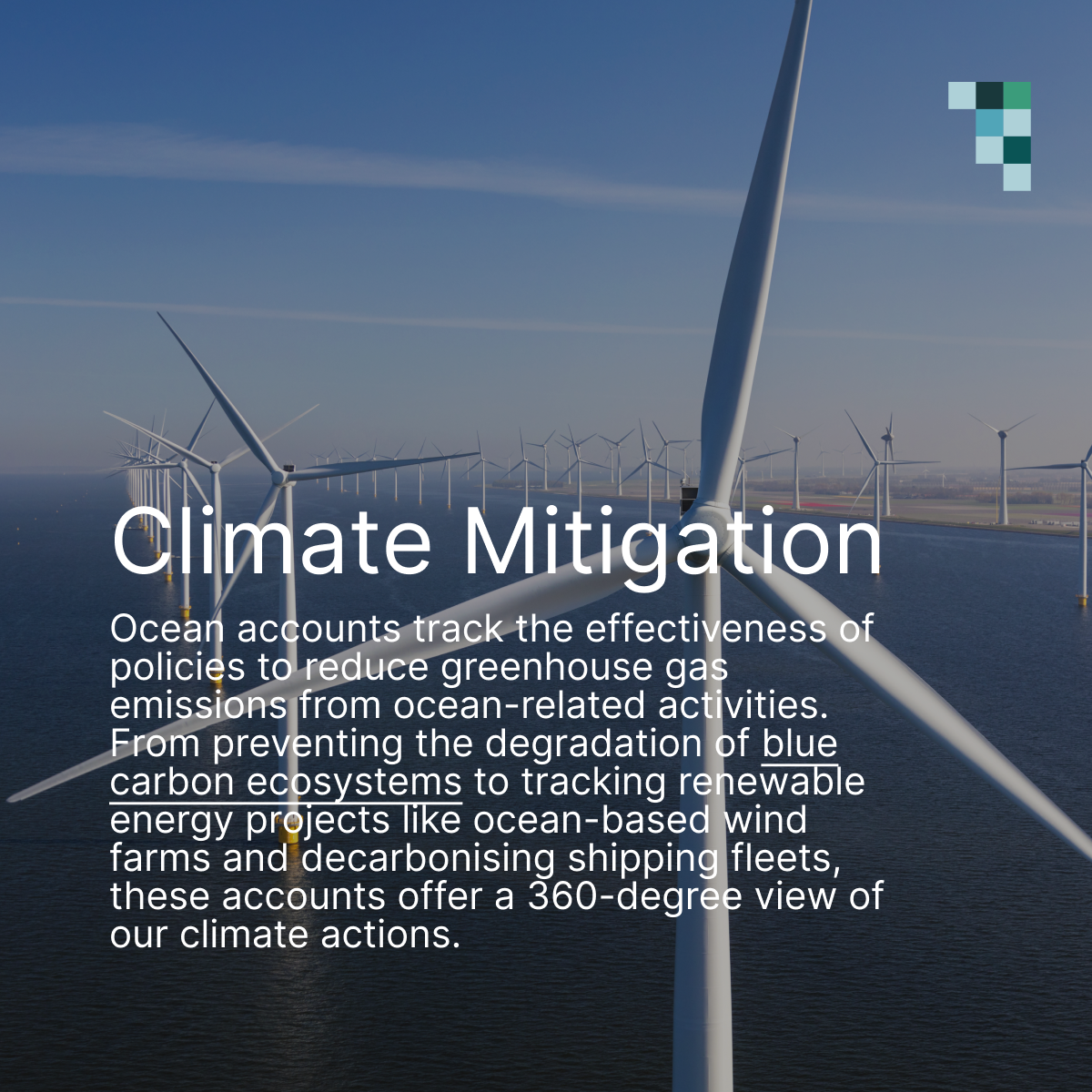
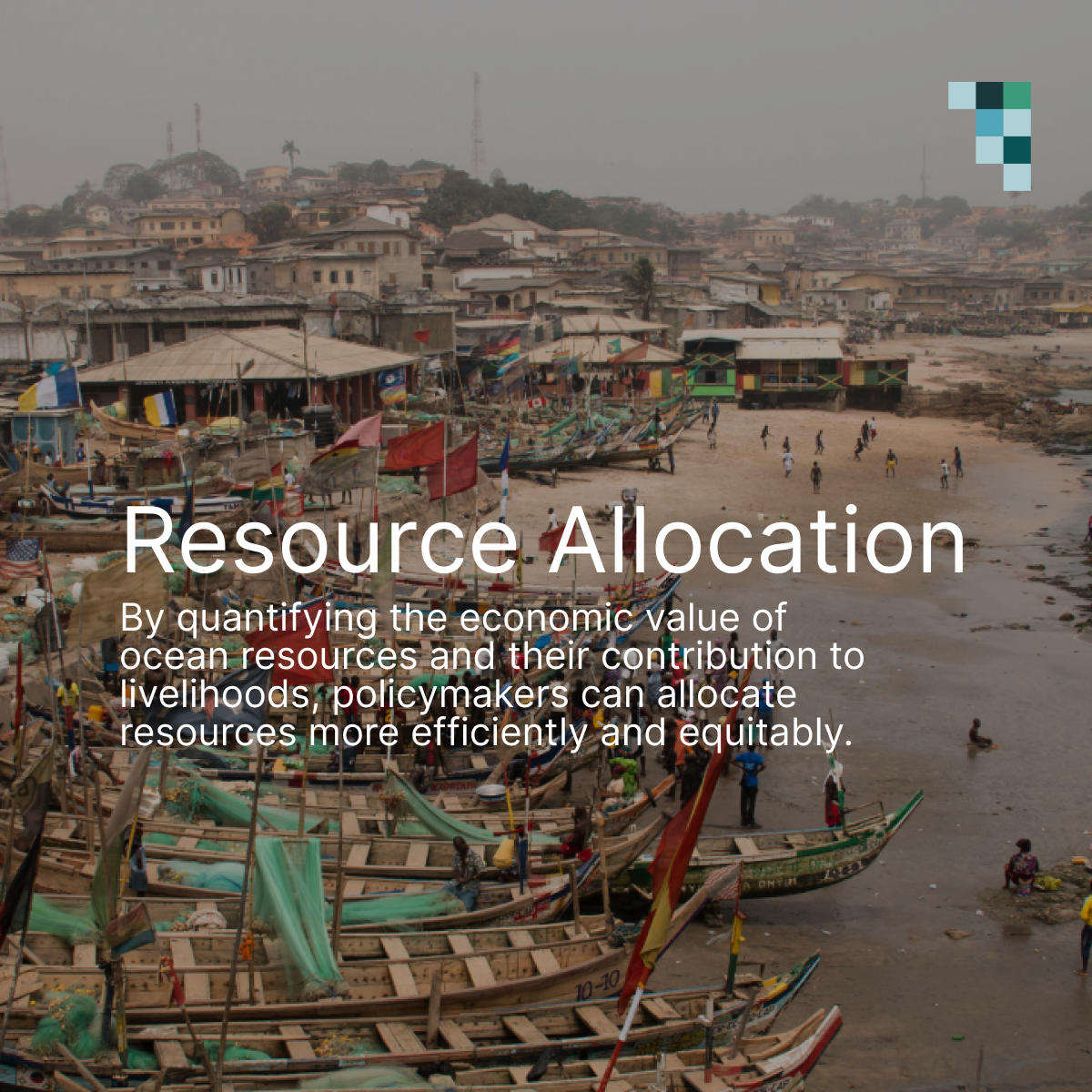
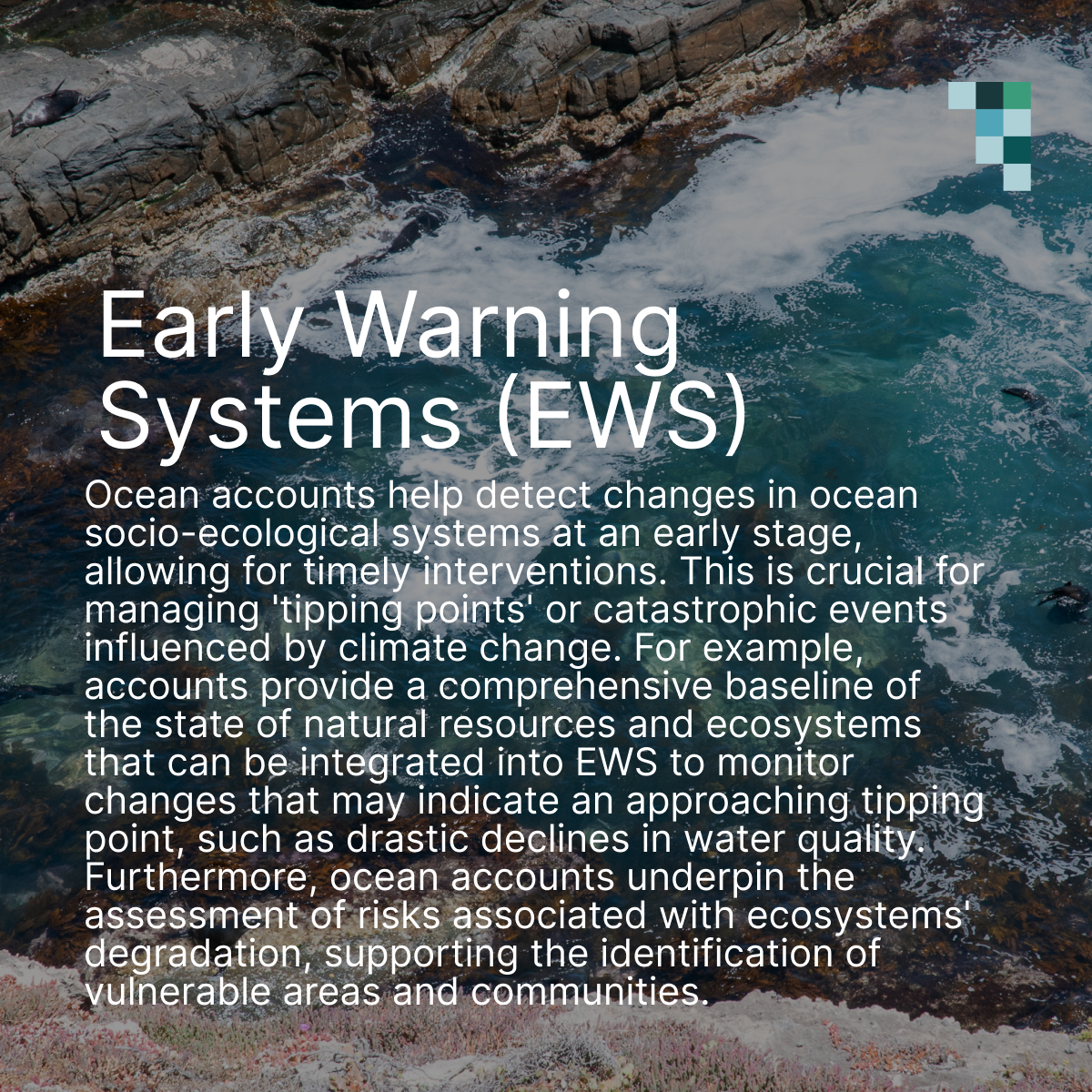
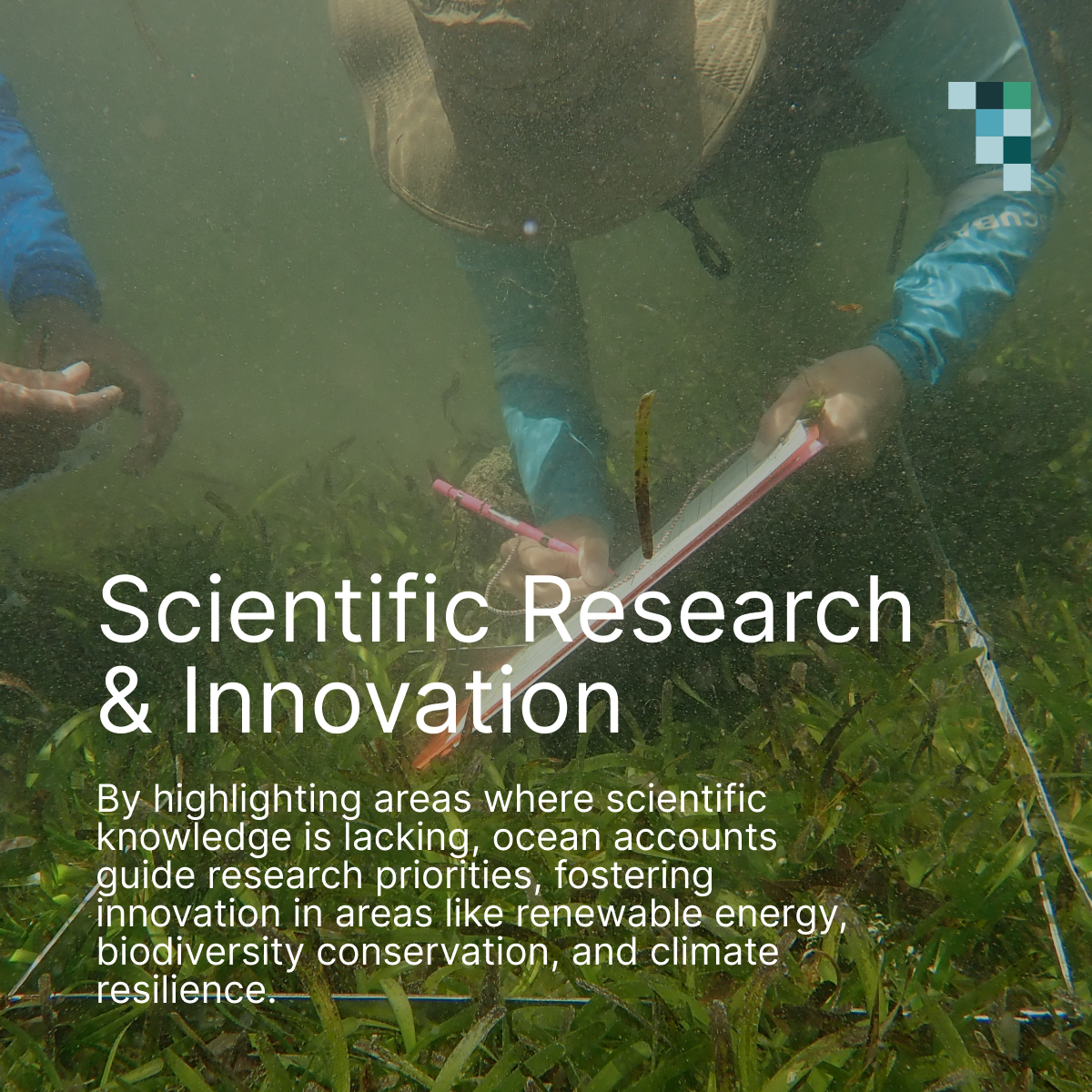
Using this framework, ocean accounts provide decision-makers with an inventory of multi-disciplinary data, enabling them to make data-driven, evidence-based decisions that are crucial for sustainable ocean planning and management in the face of climate change.
Ocean accounts provide a powerful tool to guide the systematic and consistent compilation of economic, social and environmental information in an integrated manner. The incorporation of, and link between, a variety of data, including crucial climate-related metrics, enhances the power of information to support policy development and decision-making by producing indicators for monitoring and reporting ocean use, ecosystem condition, and the impacts of climate change on both.
Such a holistic approach is critical, as the ocean plays unquestionable roles in human life, welfare and well-being, and ocean economies are prioritised by numerous nations to foster economic growth. In the face of climate change, ocean accounts offer a robust tool for tracking its consequences on people, the economy, and the environment, thereby aiding in the development of adaptive and mitigative strategies.
Thus, ocean accounting provides a valuable framework to support 1) the monitoring of climate change implications, 2) environmental, societal and economic adaptation to a changing world, 3) the identification and management of climate change drivers (including climate mitigation) and 4) a sustainable, equitable and adaptative ocean governance approach.
Read More

Ocean accounting is a data foundation towards an integrated understanding.
Read More

By Marianne Feoli
The 3rd UN Ocean Conference provides a unique alignment of leadership and strategic vision to recognise ocean accounts as a means to drive sustainable ocean development.
Read More