What if the people most affected by environmental change were also the ones tracking it?
Communities across Sri Lanka will soon be doing exactly that — and the data they generate could change how the country manages its environment.
On 17 March 2026, Sri Lanka took a significant step toward community-led environmental action. UNSW Centre for Sustainable Development Reform (CSDR), in partnership with Sri Lanka’s Ministry of Science and Technology, officially launched the Citizen Science Cells programme through the country’s Vidatha Centres network.
Vidatha Centres are already embedded in communities across every district in Sri Lanka. Now they have a new role: as launchpads for citizen-led monitoring of climate change, coastal and ocean health, and waste management.
The idea is straightforward. Government data systems are essential — but they cannot capture what happens at ground level, every day, in every community. Citizen science fills that gap. Everyday people collect real data. That data feeds into national decision-making. Communities move from bystanders to active participants in solving the environmental challenges on their doorstep.
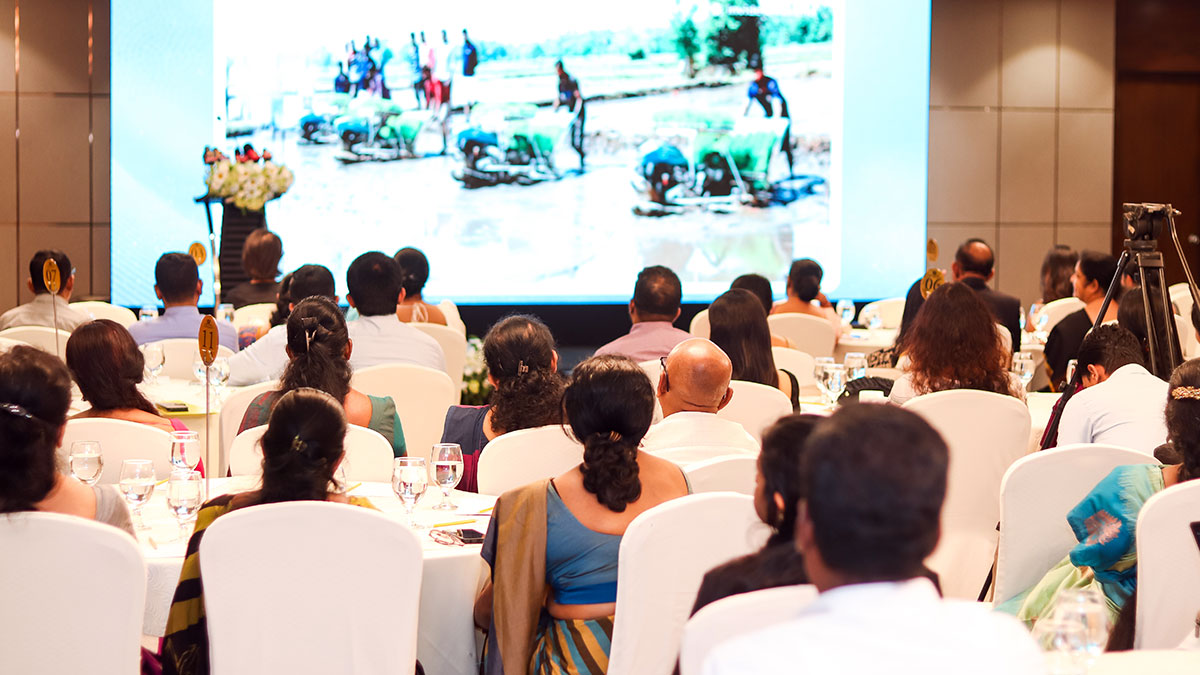
More than 120 people attended the launch, including government officials, academics, international organisations, the private sector, civil society groups, and Vidatha district officers. The Hon. Minister Prof. Chrishantha Abeysena also attended.
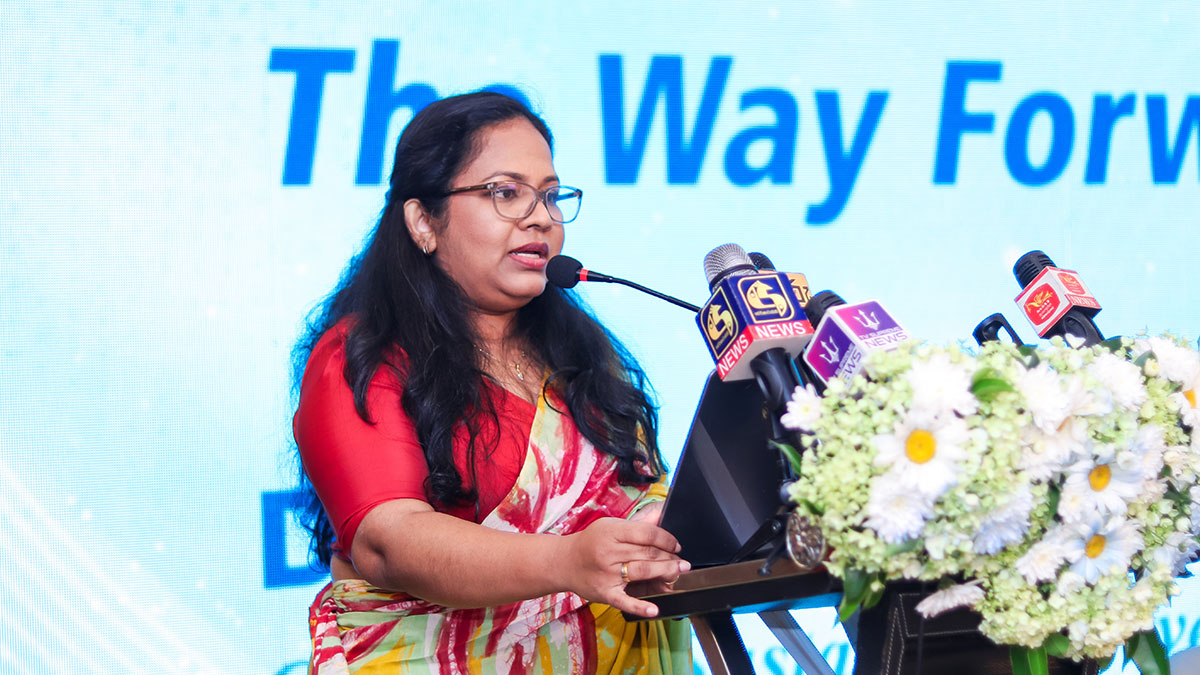
Effectively managing Sri Lanka’s environmental challenges requires more than government mandates. It demands an empowered, data-literate public.
CSDR’s Plastics, Waste and Circular Economy Specialist Dr Randika Jayasinghe.
This initiative is implemented under the Global Ocean Accounts Partnership (GOAP), funded by UK International Development through the Blue Planet Fund.