
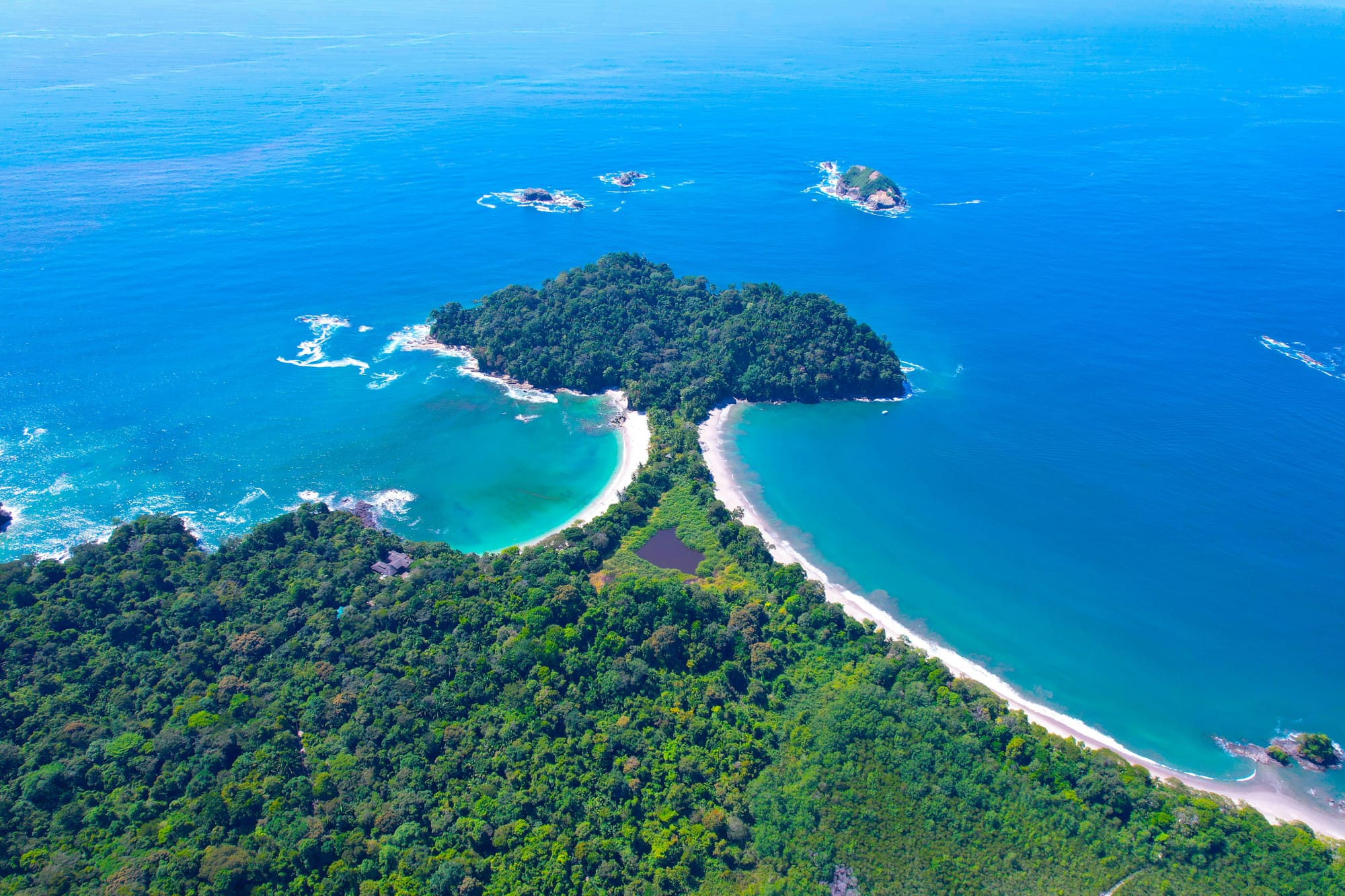
Accounting for the Costa Rican Oceans
A collaborative project with the Costa Rican government to integrate the value of coastal and marine ecosystems into sustainable ocean development planning.
Read More
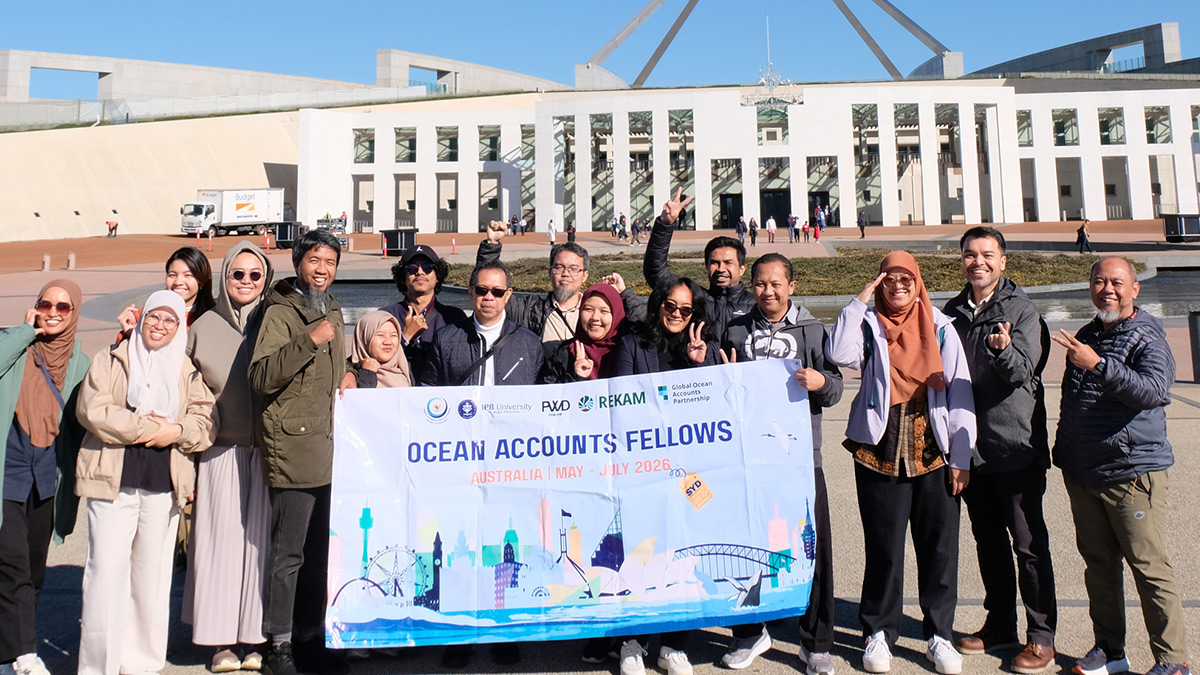
Ten researchers from Indonesia's Ministry of Marine Affairs and Fisheries (MMAF) completed an eight-week ocean accounting research study visit at UNSW Sydney, hosted by the GOAP Secretariat.
From May to July 2026, ten researchers from Indonesia’s Ministry of Marine Affairs and Fisheries (MMAF) were based in UNSW Sydney for an eight-week research study visit hosted by the Global Ocean Accounts Partnership (GOAP) Secretariat.
Ocean accounts are a structured way of measuring the extent, condition and value of marine and coastal ecosystems — mangroves, seagrass meadows, coral reefs, and the fisheries and coastal communities that depend on them — using the same rigorous accounting framework nations already use for economic statistics (the UN’s System of Environmental-Economic Accounting). For a country like Indonesia managing one of the world’s largest and most biodiverse coastlines, that kind of evidence base is central to planning, budgeting for, and protecting ocean resources under real development pressure. Indonesia has been an exemplar in the development, implementation and integration of Ocean Accounts into their national policy and planning and this was a commitment to continue to build capacity.
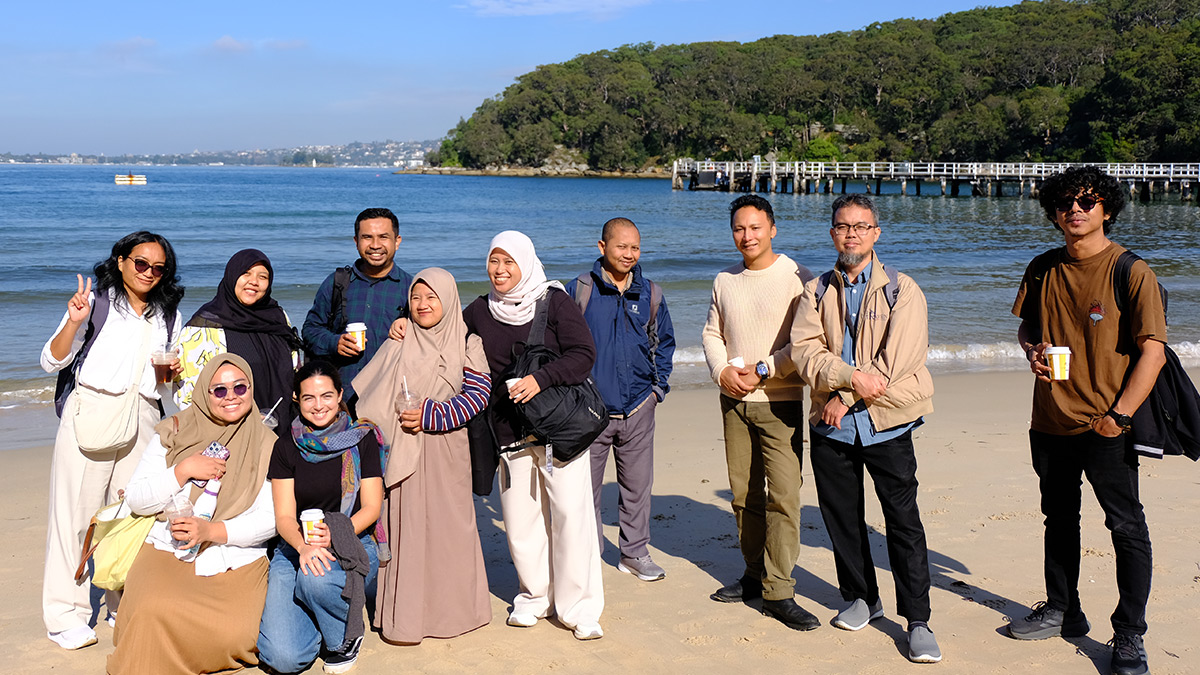
The fellows — five PhD candidates and five Master’s candidates, all current MMAF staff undertaking postgraduate research through IPB University in Bogor — arrived in Sydney in May and spent the time immersed in academic training, coaching and peer learning, co-supervised by staff from UNSW and IPB.
I have acquired new tools and methodologies for analyzing field survey data. I want to share my experience regarding these updated methods and efficient, precise thinking approaches with my university peers and colleagues.
The study visit was designed to build Indonesia’s technical capacity to apply ocean accounting to real governance decisions: strengthening the fellows’ research and publication skills, embedding their projects directly in Indonesian marine policy priorities, and producing tangible outputs — draft publications, policy briefs and a joint set of policy reflections. The practicum culminated in early July with a formal research showcase, timed to coincide with a senior MMAF delegation visit to Sydney and Canberra. Here they presented their research to the delegation, peers, UNSW students and staff and IPB supervisors. It was here that they brought together all their recent learnings and skill development, funneled through their specific research projects.
This gave me new experience and increased my skills across different areas like using VS Code and communicating my research. It helped me think fast and be able to evaluate and correct.
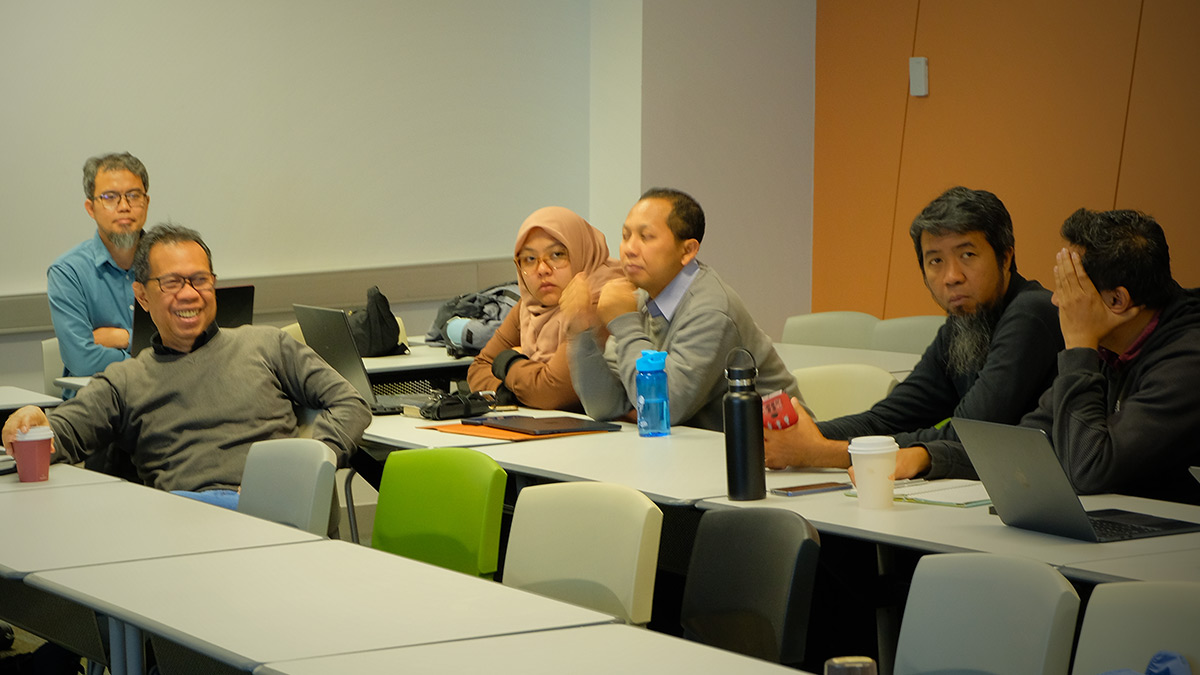
Their research spanned the practical questions Indonesia is grappling with in ocean governance: valuing marine protected areas and coastal ecosystems, coupling marine spatial plans with ocean accounts, ecosystem service valuation in coastal lagoons and mangroves, payments for ecosystem services from tourism, and the trade-offs between coastal climate infrastructure and local livelihoods on Java’s north coast.
We learnt how to effectively leverage AI tools like Claude to streamline the research process, from searching for sources all the way to structuring and presenting the results.
The visit was funded by the UK’s Foreign, Commonwealth and Development Office, and administered by the Rekam Nusantara Foundation, Indonesia’s ocean accounts implementation partner. IPB University provided academic co-supervision and hosted the fellows’ home research programme, while MMAF released its staff to undertake the visit as part of a broader partnership with UNSW’s Centre for Sustainable Development Reform (CSDR) as GOAP Secretariat.
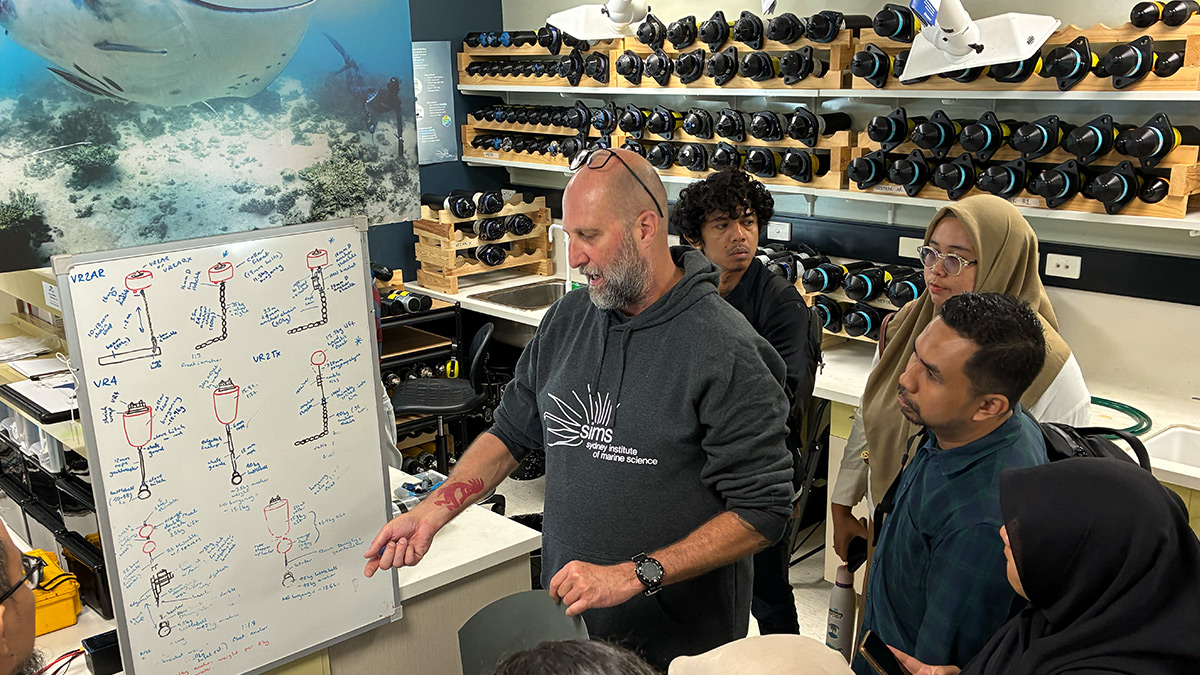
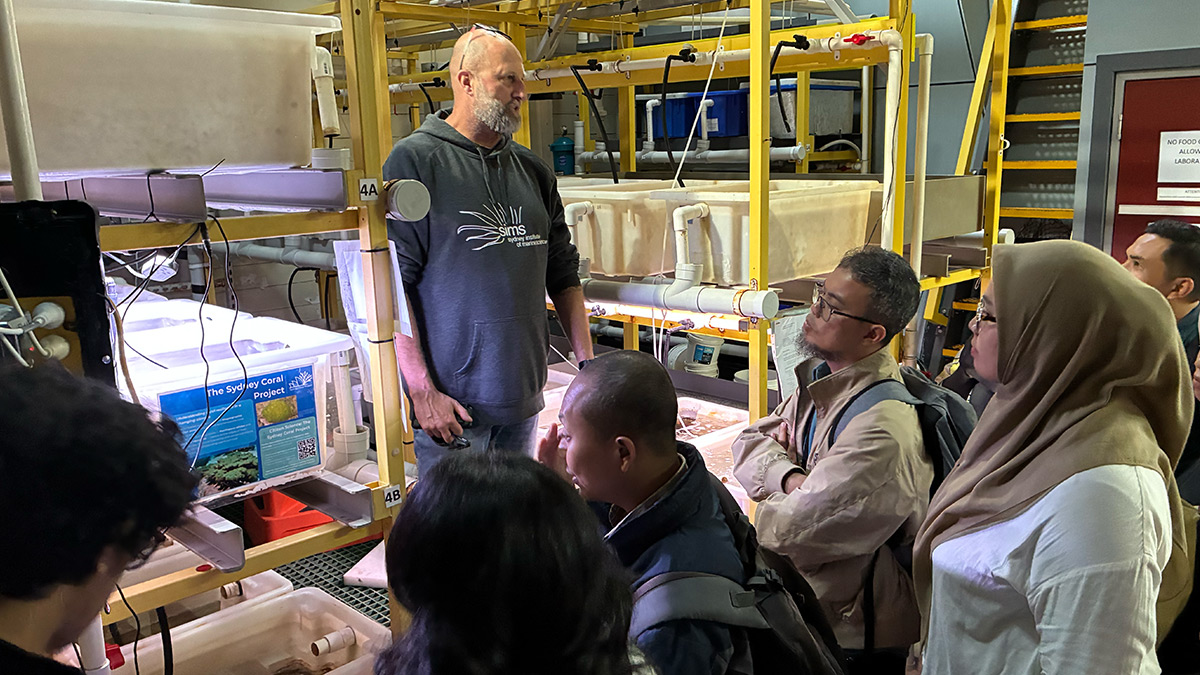
Alongside the coursework, the fellows took part in site visits to the Sydney Institute of Marine Science, the University of Sydney, and visited GeoSciences Australia in Canberra to learn more about coastal ecosystem mapping and marine spatial information systems.
One of the most important things I learned from this course was how to develop academic writing for publication and how to present research effectively. I can now share the knowledge and skills I gained from this course with my colleagues and apply them throughout my research journey.
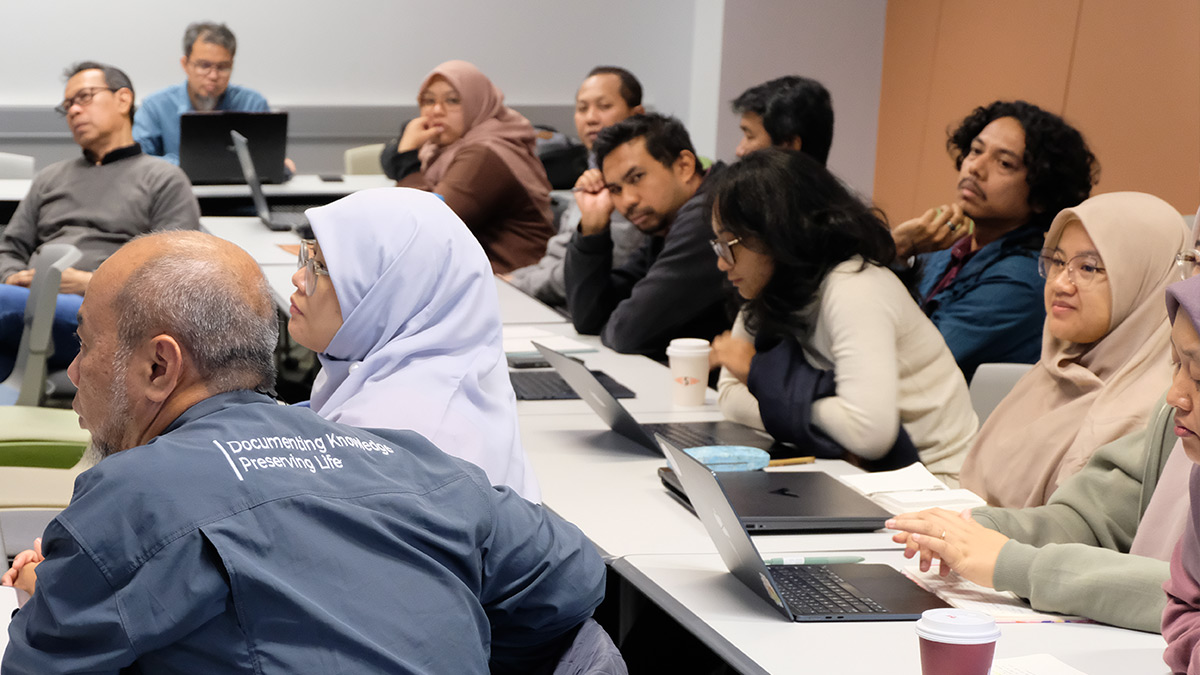
For the fellows, the residency closed with the showcase and closing ceremony before their return to Indonesia, taking with them: a deeper understanding of ocean accounting, research outputs, new local and international networks, a few photos of wild kangaroos and a foundation for embedding ocean accounts more deeply into Indonesia’s marine and coastal governance in the years ahead.
Fellows (MMAF staff, postgraduate researchers at IPB University, Bogor) PhD candidates:
Master’s candidates:
Accompanying delegation and supervisors (travelled for the 6–10 July programme)
A collaborative project with the Costa Rican government to integrate the value of coastal and marine ecosystems into sustainable ocean development planning.
Read More
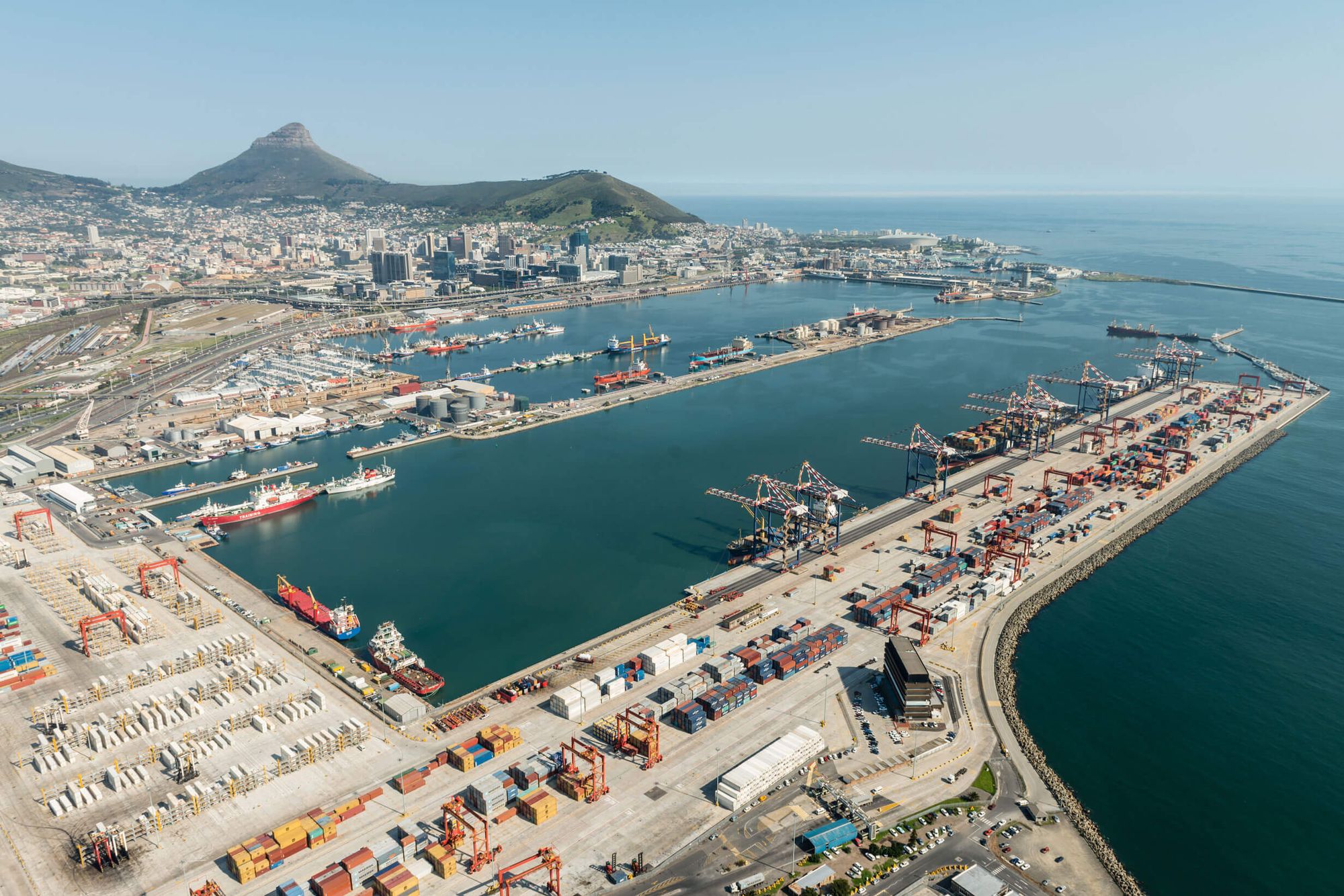
Pilot ocean accounts study in Table Bay, South Africa, coordinated by the GOAP Africa Community of Practice.
Read More
This work is supported by Australian Government DCCEEW and delivered with IUCN through the Blue Carbon Accelerator Fund (BCAF) for projects within the Indo-Pacific region. GOAP focuses on accounting and measurement to help project outcomes be reported in internationally compatible formats.
Read More