
Madagascar: Accounting for Coral Reefs and the Blue Economy
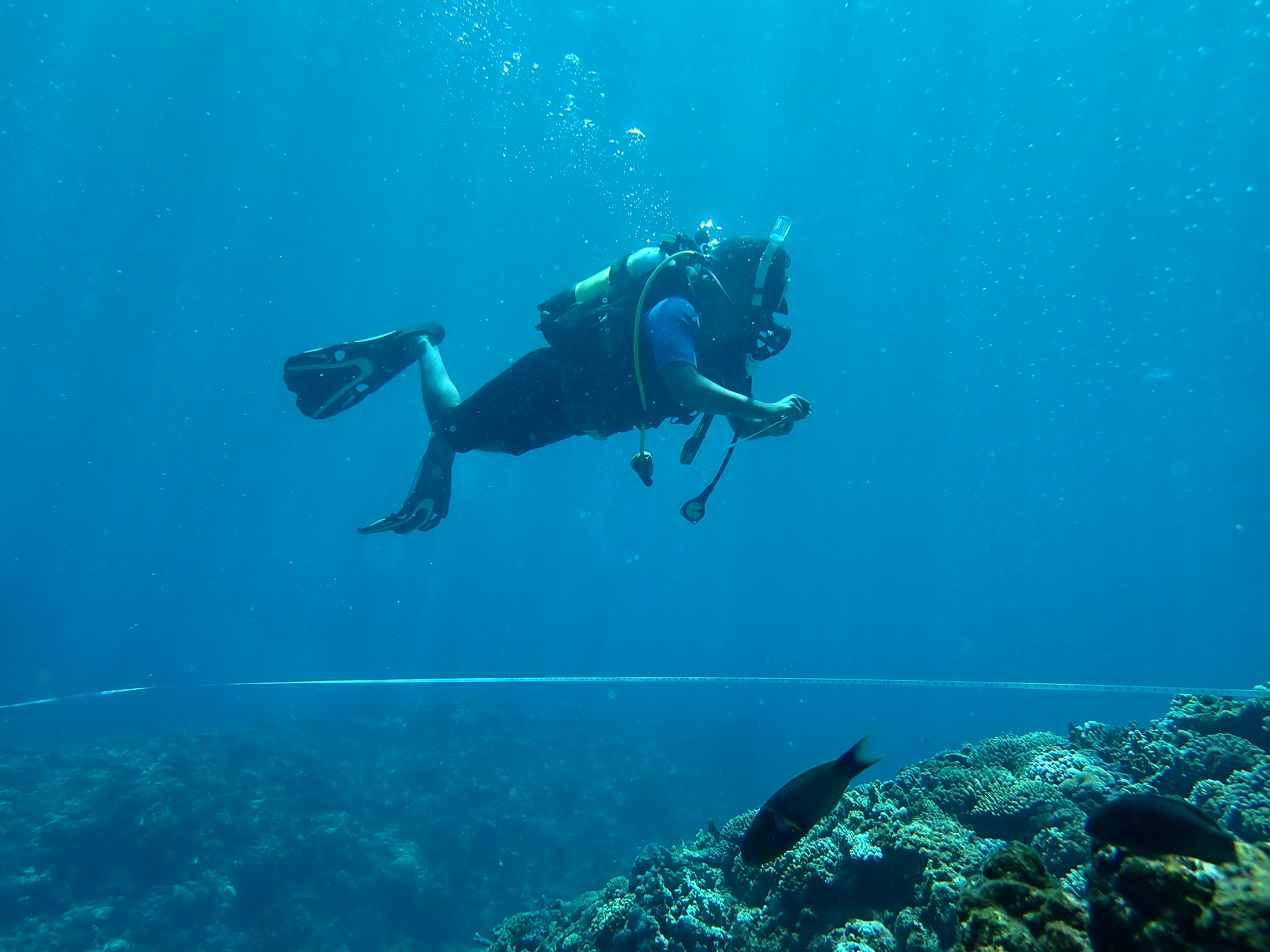
Ocean Accounts Fellows in Madagascar are developing ocean accounts for coastal and coral reef change, and the ecosystem services they provide to local communities.
Read More
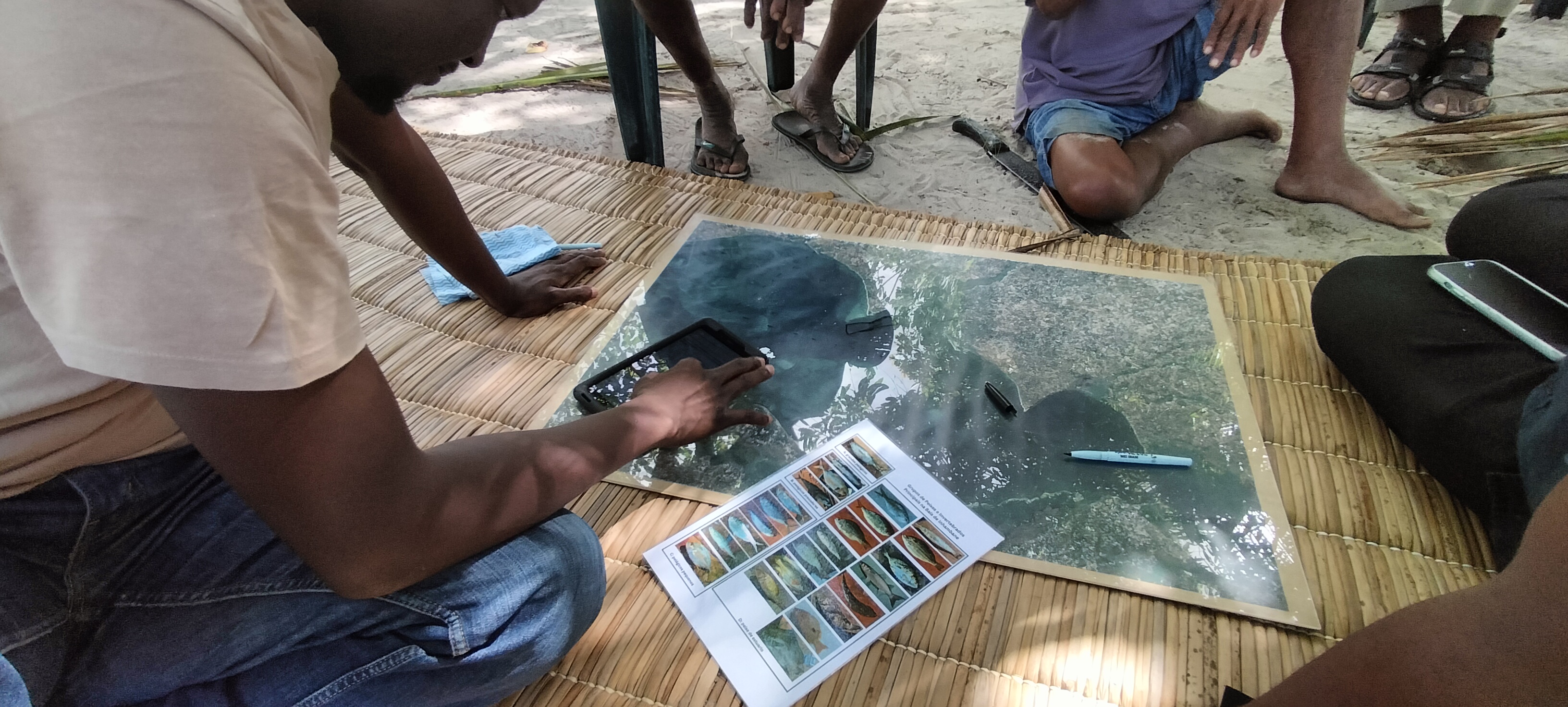
Pilot social ocean accounts are currently being developed for Inhambane Bay, Mozambique through the work of Ocean Revolution Mozambique and World Resources Institute and support from the UK Government’s Blue Planet Fund.
Pilot social ocean accounts are currently being developed for Inhambane Bay, Mozambique through the work of Ocean Revolution Mozambique and World Resources Institute and support from the UK Government’s Blue Planet Fund. The people of Inhambane have various dependencies on the marine environment, from artisanal fishing in Morrumbene, where communities harvest over 150,000 kg of fish annually, to the estuary channel where over 270,000 people travel annually.
Currently, policy decisions around fisheries management and protected areas typically rely on formal economic statistics and household surveys, which often exclude informal and subsistence economies. This representation gap is particularly pronounced for structurally marginalised groups, including women, youth, and Indigenous peoples. The lack of visibility for these groups and their ocean-based activities risks not only perpetuating existing inequalities but also leads to the development of ineffective solutions that fail to address the needs of all ocean users.
By working with local communities and collecting social data, this project aims to:
This project is making significant progress in standardising a social accounting framework, which will be incredibly valuable to the ocean accounting community of practice in Africa and globally. In developing this framework, researchers and the community are providing important insights into how ocean accounting can help close the representation gap in marine policy and planning.
The early findings from the project demonstrate that resilience is not just about the health of marine ecosystems, but about the strength of community organisations, the preservation of traditional knowledge, and the inclusivity of decision-making processes. These findings provide valuable insights for developing more comprehensive and effective marine resource management strategies that consider both the ecological and social dimensions of coastal community life.
November 2024 | Participatory mapping with coastal communities | Imhambane Bay, Mozambique
Local elders, leaders and experienced fishers participated in a mapping survey of Sahane, Kugana and Morumbene in Inhambane Bay. Participants identified the areas of community use, including areas of economic, nutritional and/or cultural significance, and changes they have observed in those ecosystems over time including where and when the change occurred, what kind of change (loss or gain in extent or condition) and why they believe the change occurred.

Ocean Account Fellow
Ocean Revolution Mozambique and Eduardo Mondlane University, Mozambique
Three-Dimensional Mapping of Mangroves Using GEDI Sensor Data in Morrumbene and the Save River Delta: Analysis of Structure and Biomass through In Situ Measurements.
Jonas is currently pursuing a Master’s degree at Eduardo Mondlane University in Geographic Information Systems (GIS) for Sustainable Development, focusing his work on the application of advanced geospatial technologies and remote sensing to strengthen ocean accounting. Jonas is using orbital LiDAR data (NASA GEDI) to establish a three-dimensional digital baseline of biomass and carbon stocks in hard-to-access mangrove ecosystems in Mozambique. By validating these global models with local in situ measurements, the study provides accurate indicators for the “Mangrove Condition Account,” supporting the implementation of ocean accounting frameworks and climate resilience policies promoted by local institutions and organizations.
Ocean Accounts Fellows in Madagascar are developing ocean accounts for coastal and coral reef change, and the ecosystem services they provide to local communities.
Read More
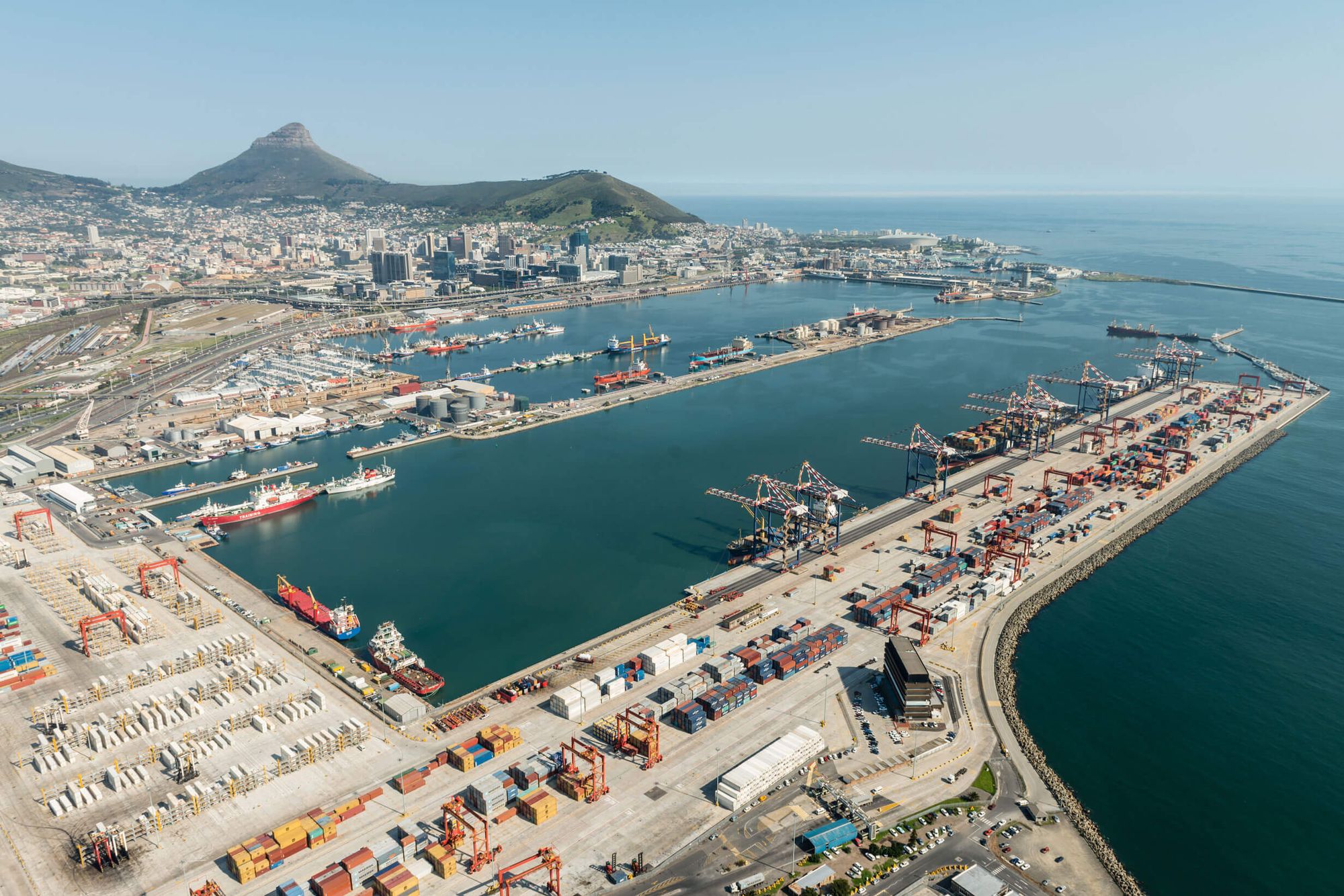
Pilot ocean accounts study in Table Bay, South Africa, coordinated by the GOAP Africa Community of Practice.
Read More
By Dr Cheryl Joy Fernandez-Abila
The Philippines' central economic planning department becomes GOAP's newest Member, strengthening the country's commitment to measuring the value of nature and the ocean.
Read More