
Fiji charts a course toward evidence-based plastic waste management
Read More
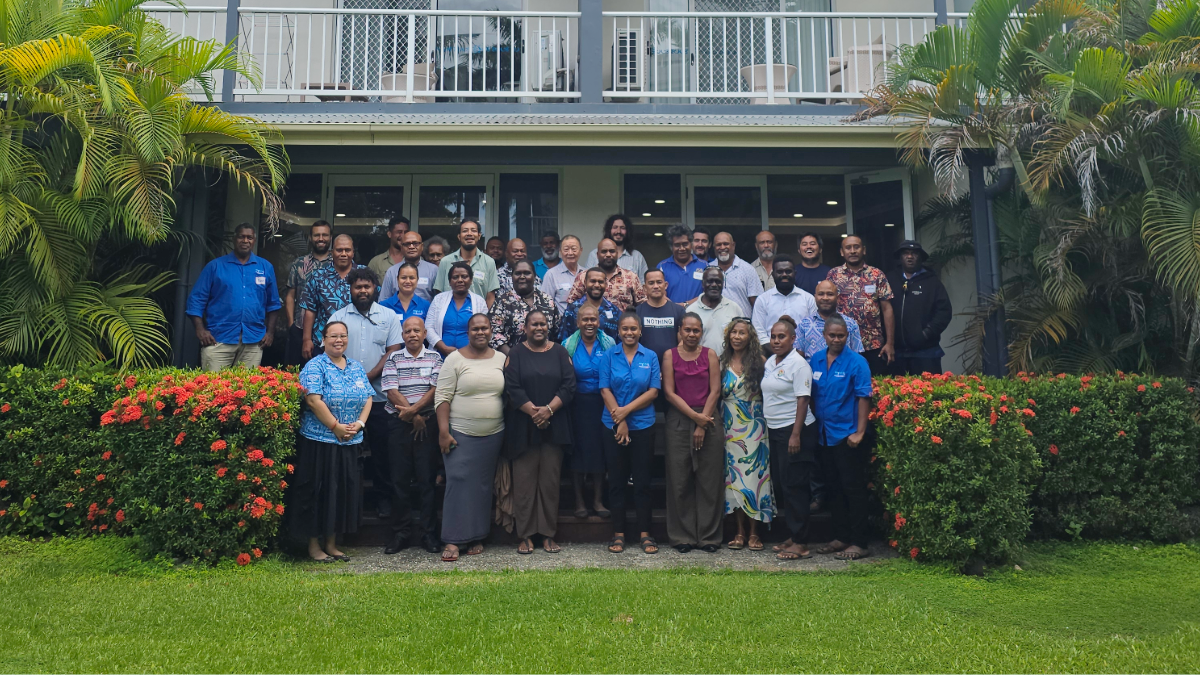
In February 2026, the Solomon Islands Maritime Authority hosted two workshops on Ocean Accounting for Maritime Transport Workshop in Honiara — a milestone for evidence-based maritime governance in the Pacific.
In February 2026, the Solomon Islands Maritime Authority (SIMA) hosted several workshops on Ocean Accounting for Maritime Transport Workshop in Honiara, including an internal technical workshop with SIMA staff, an external stakeholder workshop with government, industry, and development partners, and a planning session on strategic collaboration on this space.
As a Large Ocean State with a territory that is 98% ocean, spread across 900+ islands, the Solomon Islands depend on maritime connectivity. Developing Ocean Accounts for maritime transport transforms fragmented maritime data into auditable, decision-ready evidence for fleet modernisation, climate finance, workforce development, and integrated national planning.
The first internationally standardised Ocean Accounts for a Pacific maritime sector were developed over a 16-week pilot (October 2025–January 2026) led by the Solomon Islands Maritime Authority (SIMA) and the Global Ocean Accounts Partnership (GOAP) Secretariat at the University of New South Wales (UNSW), with support from The Pacific Community (SPC).
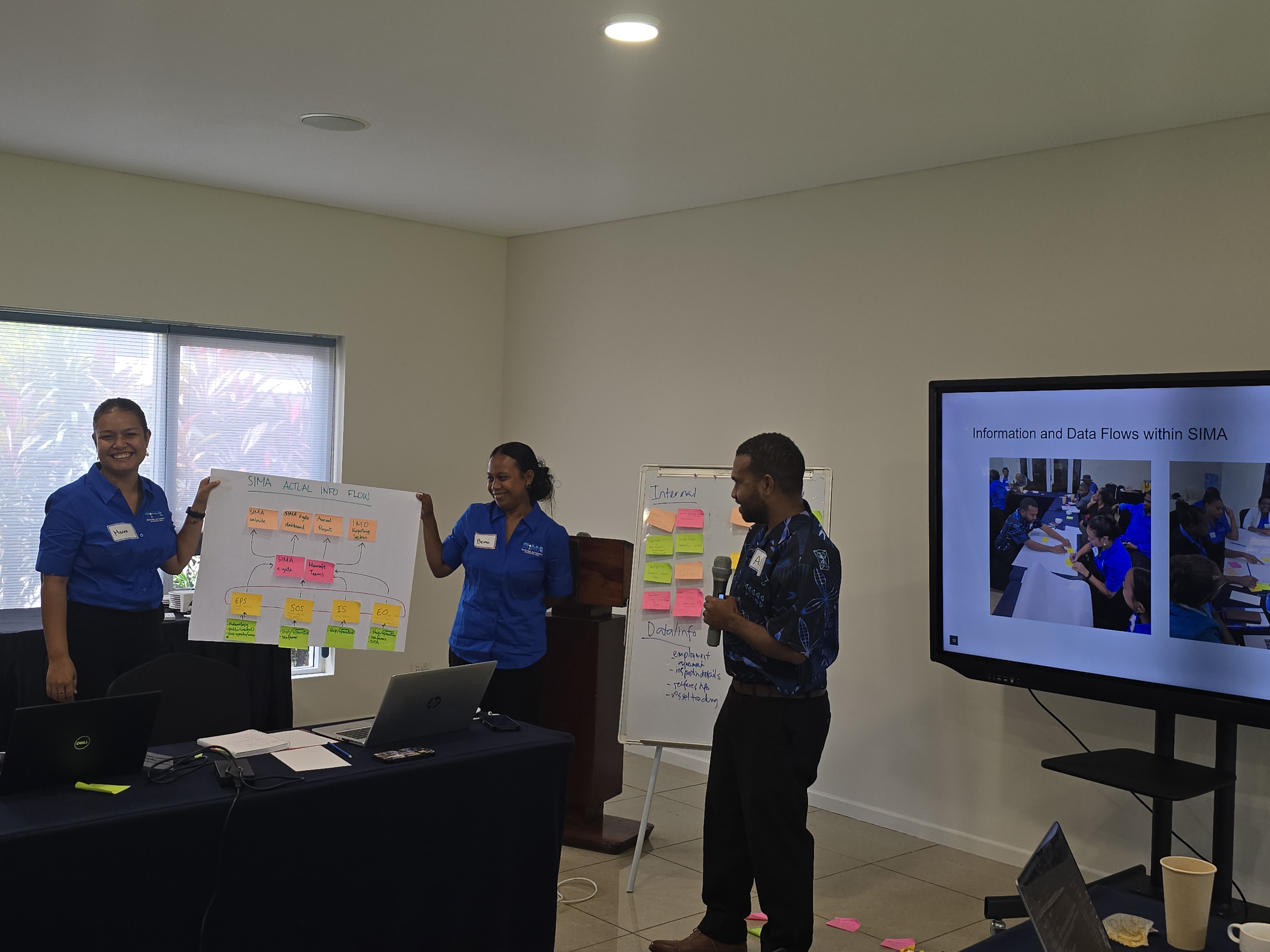
The pilot culminated in a three-day workshop (11–13 February 2026) with more than 50 participants across all sessions. The workshop brought together government ministries, SIMA, shipping operators, regional partners, and development partners. Activities included:
The pilot produced two core accounts:
✅ Endorsement of Ocean Accounting as a scalable method to measure economic, social, and environmental value of the ocean sector
✅ Request total upscale the pilot into a comprehensive project supporting large-scale development and investment in the Solomon Islands maritime sector
✅ Encouragment for other sectors to adopt ocean accounting for ocean governance and evidence-based policy and investment decisions
✅ Call for key stakeholders to collaborate and expand ocean accounting under the Solomon Islands Ocean Policy (including SIMA, Ocean12, UNSW/GOAP, SPC, government agencies, provinces, industry, and development partners)
“For the first time, we are transforming raw maritime data into internationally recognised and standardised accounts that clearly quantify the value of our domestic fleet and workforce. Ocean Accounts give us credible, auditable evidence - not assumptions - to guide investment, strengthen policy, and position Solomon Islands as a leader in evidence-based maritime governance for Pacific Island Nations.”
- Mr Allen Ofea, Manager of the Executive Office, SIMA, reflecting on the significance of the milestone.
This achievement would not have been possible without the dedicated pilot research team at SIMA, SIMA’s technical departments, the Pacific Community (SPC) and the Global Ocean Accounts Partnership (GOAP) Secretariat.
The Solomon Islands is now positioned as a regional pioneer, with a methodology that is replicable across Pacific Island nations and territories. The GOAP Secretariat looks forward to supporting Pacific colleagues who are exploring how maritime accounts could strengthen their own national maritime narratives.
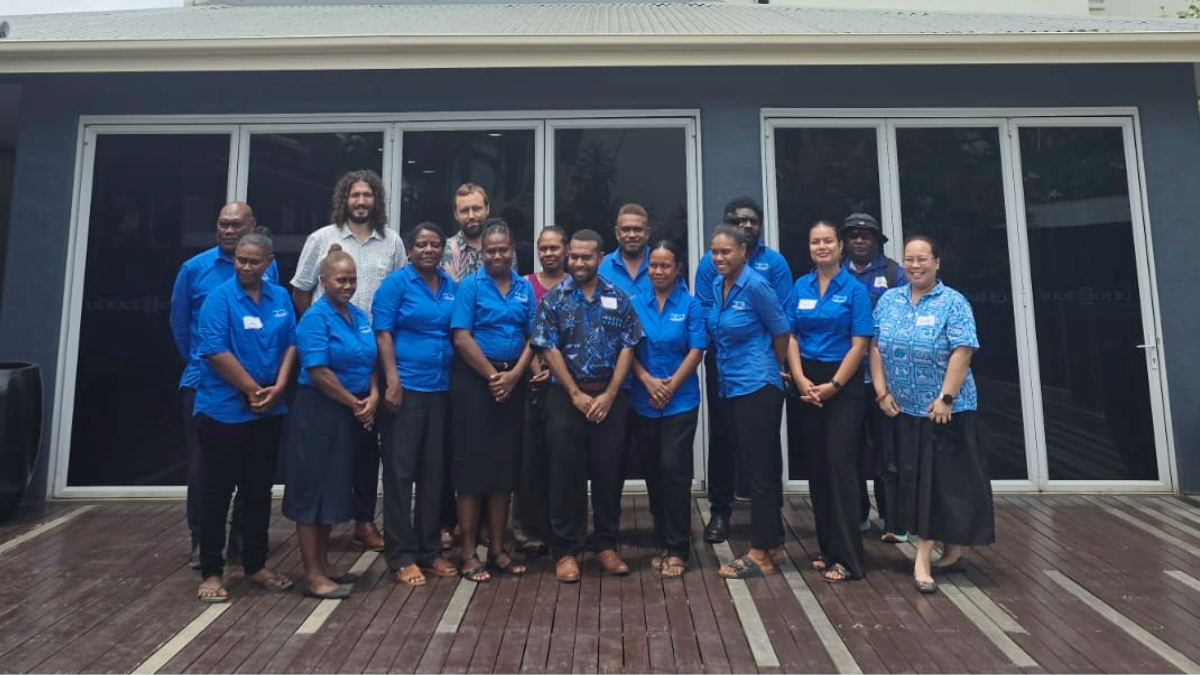
The Solomon Islands Maritime Authority (SIMA) took centre stage to share their progress in developing maritime accounts during a session at the 6th Pacific Regional Energy and Transport Ministers Meeting 2026 (PRETMM6) in Port Moresby (4-8 May 2026).
Senior maritime and transport officials from across the region engaged directly with SIMA’s pilot — exploring what maritime accounts are, what they unlock, and how similar work could be progressed within their own national contexts. The session was deliberately designed as a collaborative working space rather than a formal presentation, opening with a live poll on how well participants knew their own fleets, and closing with a facilitated discussion on the specific decisions that maritime accounts could help inform, such fleet renewal, financing, workforce and infrastructure.
The session was led by Mr Thierry Nervale (SIMA), with technical contributions from Dr Cheryl Joy Fernandez-Abila and Dr Edoardo Santagata at the Global Ocean Accounts Partnership (GOAP) Secretariat, who walked participants through the methodology and facilitated the discussion.
A sincere thank you to The Pacific Community (SPC) for funding and championing this work — and for enabling Pacific nations to access the kind of evidence base that climate finance institutions, ministries of finance, and development partners increasingly expect. SPC’s leadership in supporting evidence infrastructure for the Blue Pacific continues to open doors for member countries.
Read More
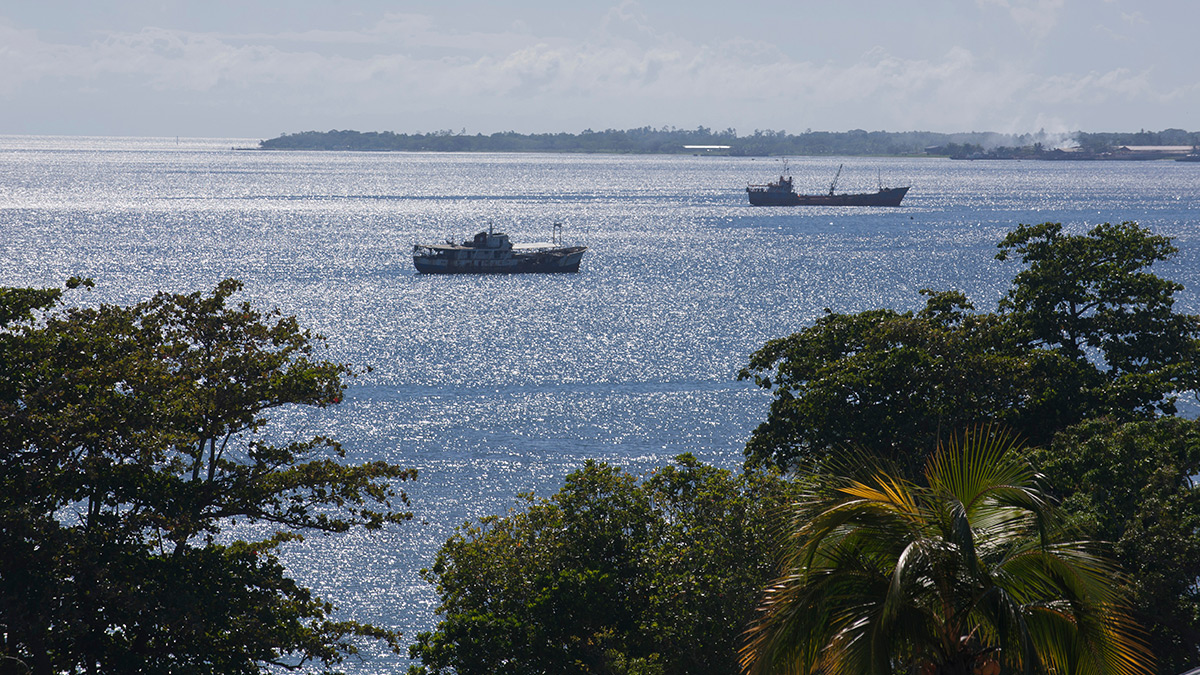
The Pacific's first internationally standardised maritime accounts put a value on a fleet, a workforce and a lifeline that national statistics had never captured.
Read More
By Dr Mitchell Lyons
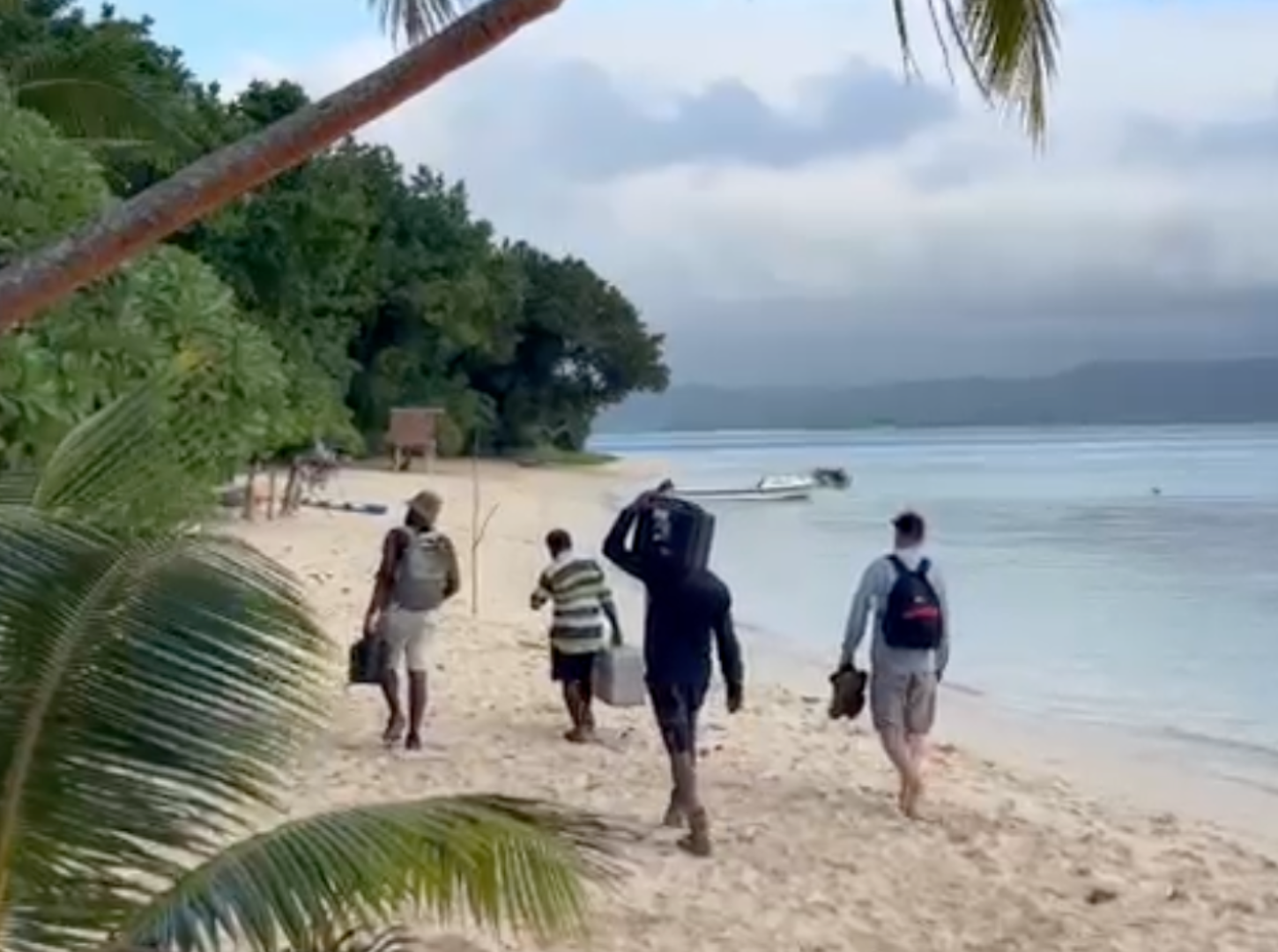
This initiative demonstrates the practical application of ocean accounting and how technical innovation can be effectively coupled with traditional knowledge systems to address climate adaptation challenges.
Read More