Fiji’s plastics research drew international interest at Atlantic Plastics 2026, highlighting shared challenges across the Pacific and Arctic.
Fiji’s work to better understand plastic pollution and its impacts on biodiversity was highlighted at Atlantic Plastics 2026, sparking discussions on how approaches developed in the Pacific could inform efforts to address similar challenges in Arctic communities.
Held in Reykjavik, Iceland, from 20 to 22 October 2026, the Third International Symposium on Marine Plastic Pollution brought together researchers, policymakers and practitioners to exchange knowledge and explore solutions to marine plastic pollution.
Sharing Knowledge Across Regions
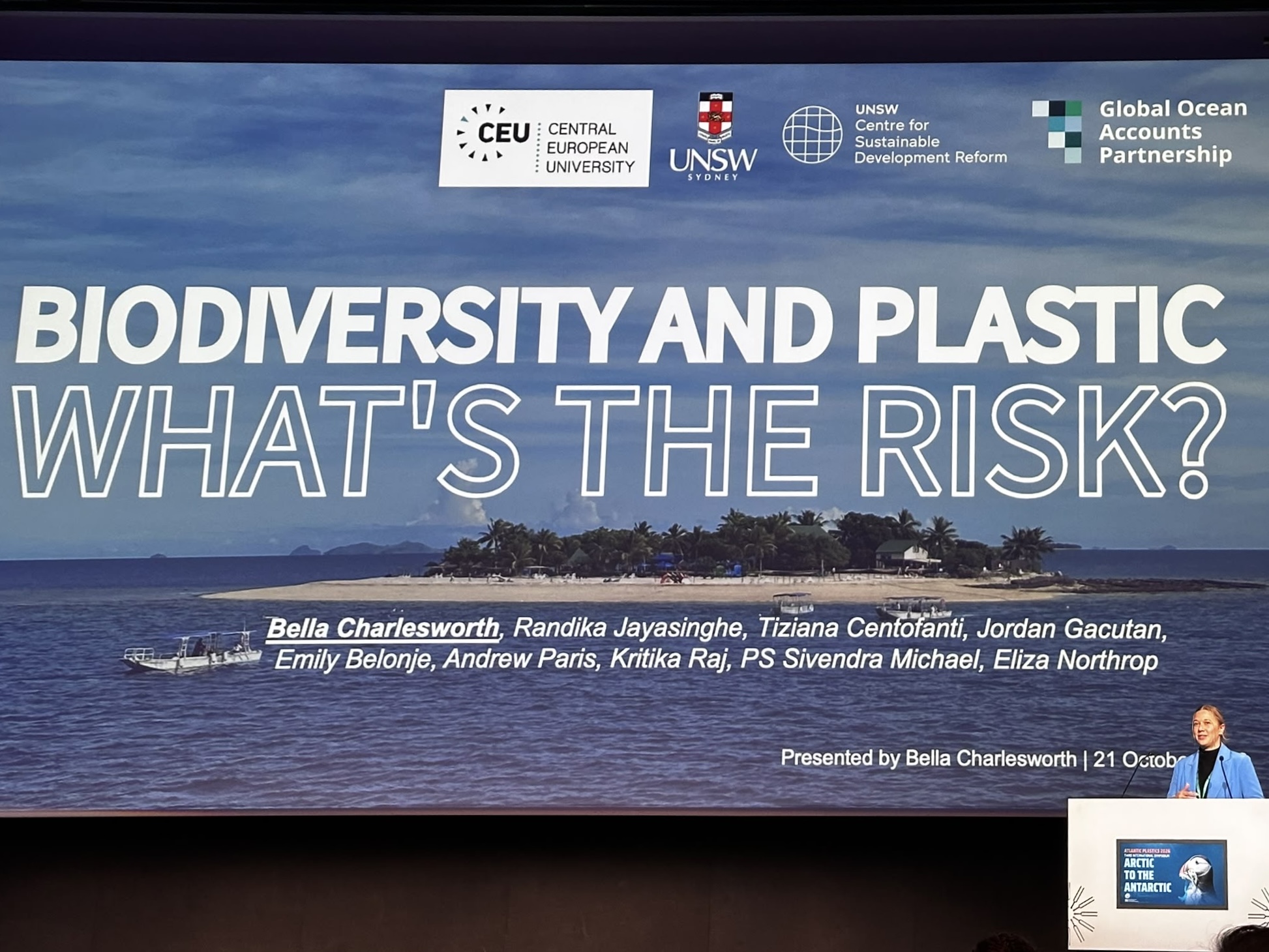
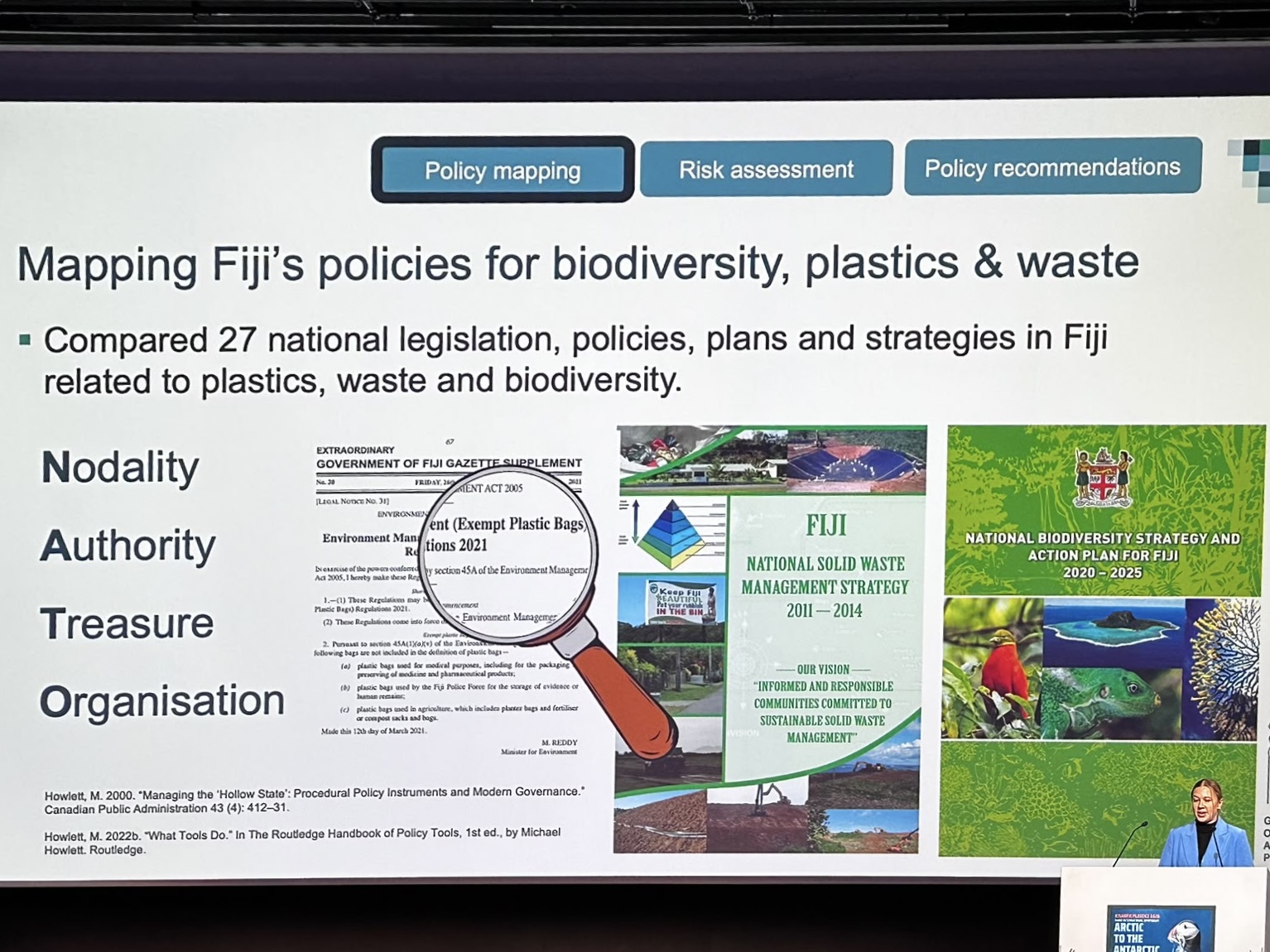
During the symposium, Bella Charlesworth presented research on plastics and biodiversity in Fiji, alongside the country’s approach to developing a national plastics data inventory. The presentation also introduced GOAP’s Global Plastics Data Tracker and Handbook for Developing National Plastics Data Systems, highlighting resources that support evidence-based plastics management.
Fiji’s approach to assessing the risks of plastic pollution attracted interest from participants, including representatives from Greenland, who discussed its potential application in remote Arctic communities.
Discussion with participants revealed that despite their geographical differences, Arctic communities and Small Island Developing States (SIDS) face similar challenges in waste management: limited infrastructure, inclusion of local knowledge in decision-making, and access to data.
The discussions highlighted opportunities for knowledge exchange between the Pacific and Arctic, demonstrating how locally informed research and stronger data systems can support responses to plastic pollution across different regions.