| |
|---|
| Country / region | Solomon Islands (Pacific) |
| Partners | Solomon Islands Maritime Authority (SIMA); Pacific Community (SPC); Global Ocean Accounts Partnership (GOAP), hosted by UNSW |
| Key GOAP staff | Ben Milligan, Liz Hollaway, Dr Cheryl Joy Fernandez-Abila, Dr Edoardo Santagata, Dr Mitchell Lyons |
| Commenced | October 2025 |
| Status | Complete (Phase 1, 16 weeks); Phase 2 planned |
| Scale | National |
| Account type | Economic — maritime asset and labour accounts |
| Key ecosystems | Not ecosystem-focused; a sector (maritime transport) account |
The challenge
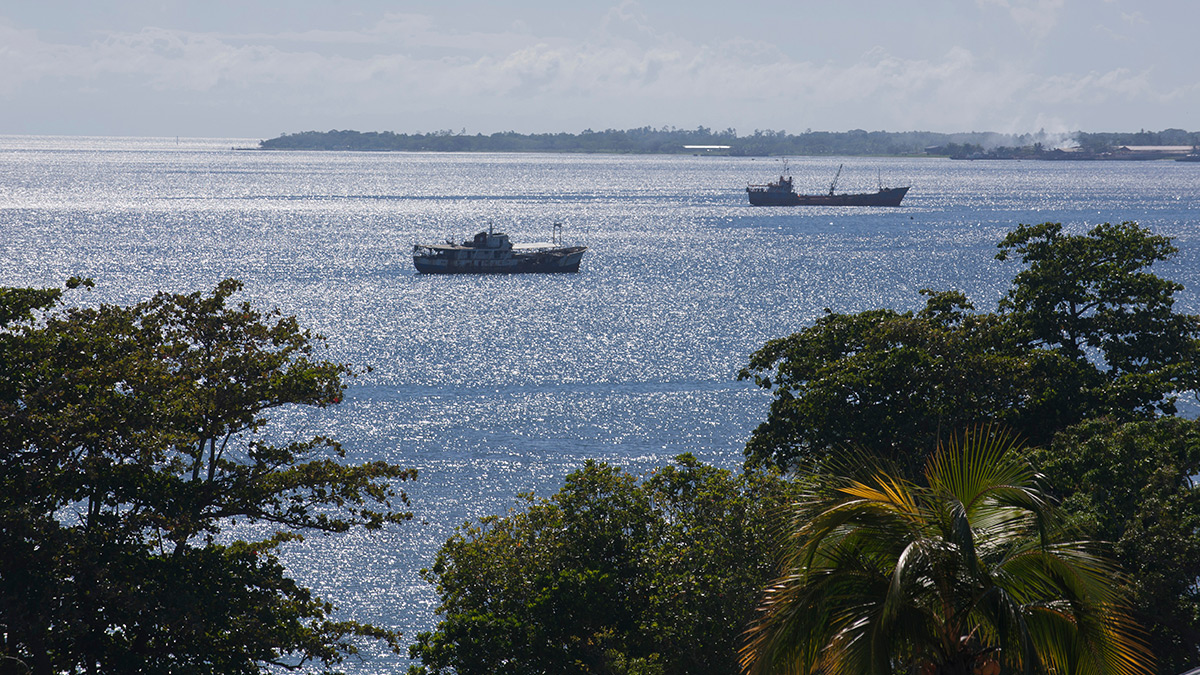
Solomon Islands is 98% ocean. More than 900 islands rely on sea transport for food, trade, health care and the connections between communities, and shipping is the backbone of daily life. Yet the ships, ports and people that hold the country together had never been measured in a single, comparable set of statistics.
That gap had real consequences. Without a clear picture of the fleet and workforce, government could not plan vessel renewal, make a robust case for climate finance, or design training for the seafarers the country depends on. Decisions about a critical national system were being made without the evidence to support them.
What the project set out to do
The project set out to give the Solomon Islands Maritime Authority (SIMA) that missing evidence base, and to build it in a way SIMA could sustain. Working with SIMA and supported by the Pacific Community (SPC), GOAP helped compile the Pacific’s first maritime transport accounts, using the “Beyond GDP” logic of Ocean Accounts: measuring the value that conventional economic figures miss.
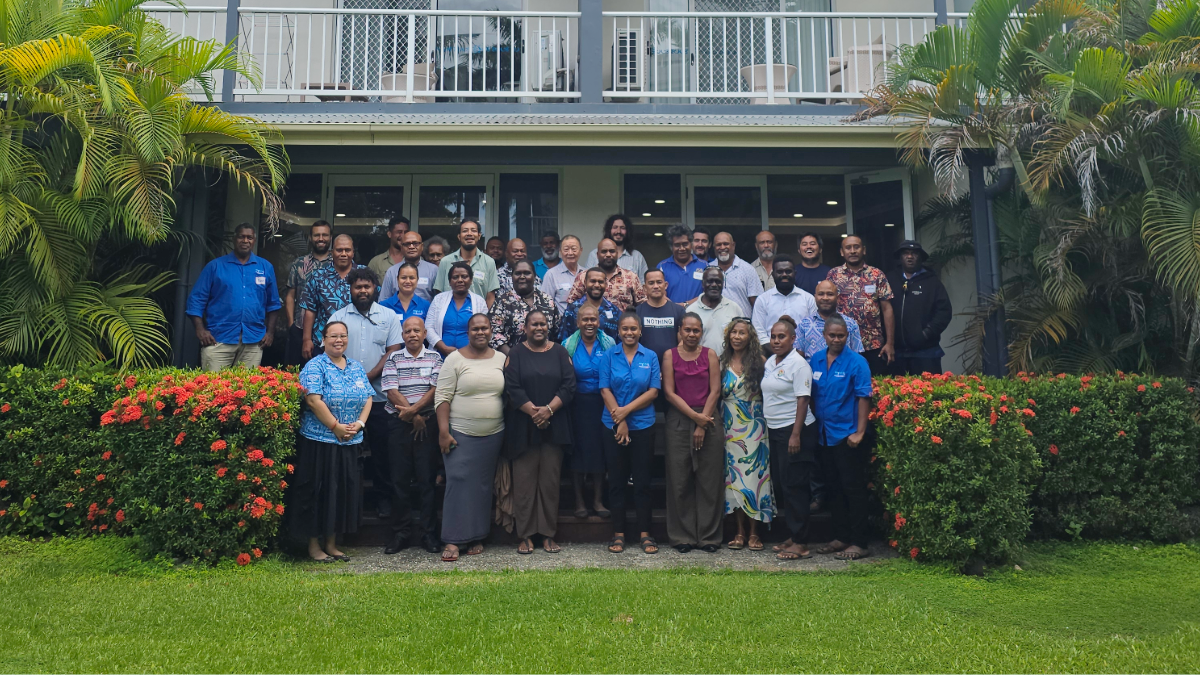
Ocean Accounts organise environmental, economic and social data about the ocean into consistent statistics, built to align with the System of Environmental-Economic Accounting (SEEA) and the System of National Accounts (SNA). The 16-week pilot focused on two accounts to a recognised international standard: a national shipping asset account and a maritime labour account. Rather than a study delivered from outside, GOAP staff worked alongside SIMA analysts, with a three-day workshop in Honiara in February 2026 that brought together 44 participants from government, industry, the ports authority and maritime training.
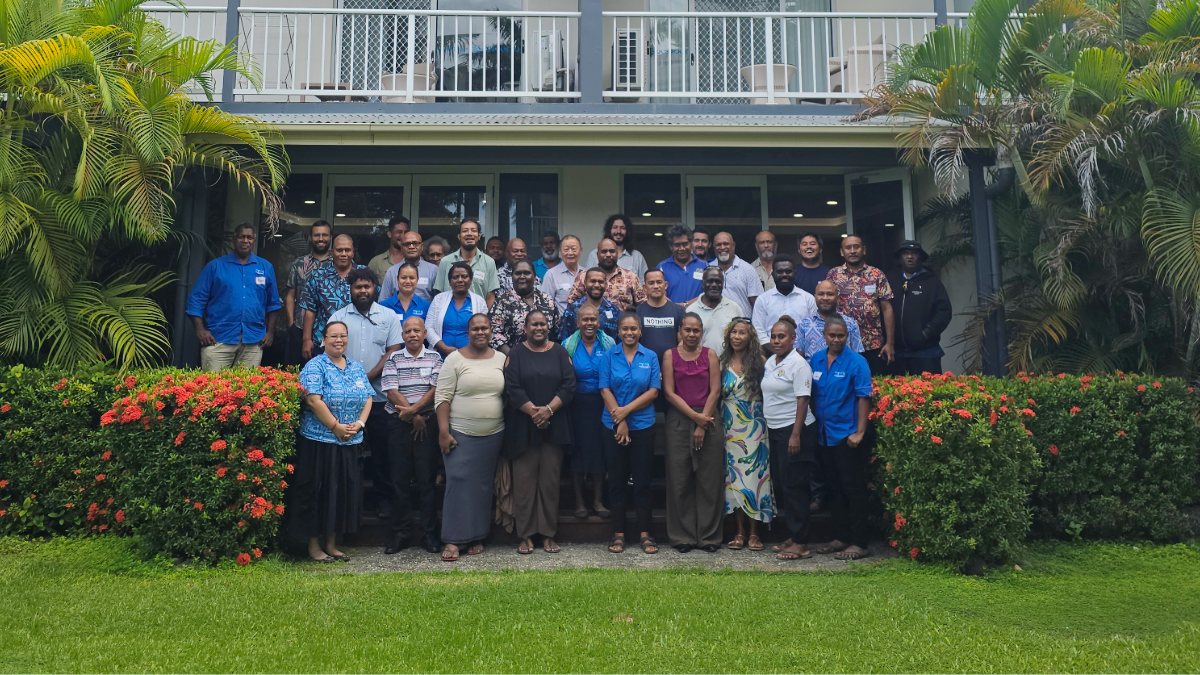 The three-day workshop in Honiara, February 2026, brought together 44 participants from government, industry, the ports authority and maritime training. Credit: GOAP / Solomon Islands Maritime Authority.
What it delivered
The accounts made the sector visible for the first time. The domestic fleet was valued at about USD 25.8 million, with a replacement cost of roughly USD 75 million across 183 vessels. The maritime labour account recorded 1,365 seafarers earning about USD 24 million a year.
The figures did more than describe the sector; they exposed a risk. The fleet is ageing, with a cluster of vessels approaching the end of their working lives at a similar time, a looming “replacement cliff” that carries safety and service implications for the communities that depend on those ships. GOAP and SIMA turned the accounts into practical guidance: three policy briefs covering fleet modernisation, workforce training and port development, a recommendation report, and a roadmap for the next phase. The pilot also left SIMA with the capability to maintain the accounts, and the work was presented regionally at the Pacific Regional and Territorial Maritime Ministers Meeting (PRETMM6) in Port Moresby in May 2026.
Why it matters for people and nature
A clearer picture of the fleet and workforce gives Solomon Islands an evidence base for decisions that affect daily life and the environment together. That means safer, more reliable transport for remote communities, a case for investing in low-carbon vessels, and a workforce strategy grounded in real numbers. The same data supports the country’s climate-finance and decarbonisation ambitions, connecting a practical transport challenge to sustainable ocean development.
What happens next
A second phase is planned under the Solomon Islands Ocean Policy, extending the work towards economic and emissions accounts and embedding account production within SIMA. The pilot has also informed regional Pacific dialogue on applying ocean accounting to maritime connectivity.
Sources
- Solomon Islands maritime transport accounts, project page and workshop report — oceanaccounts.org.
- GOAP 2026 Achievements Longlist; Defra Milestone report 16 (March 2026), which records the fleet and labour figures.
- Solomon Islands Maritime Authority (SIMA) and the Pacific Community (SPC).